Evoke Nrgy: the $4,995 electric motorcycle chasing highway speeds on a budget
Evoke Motorcycles has unveiled the Nrgy, a two-model electric motorcycle line starting under $5,000 USD with a patented Twin Plate chassis and a 120km/h top speed.
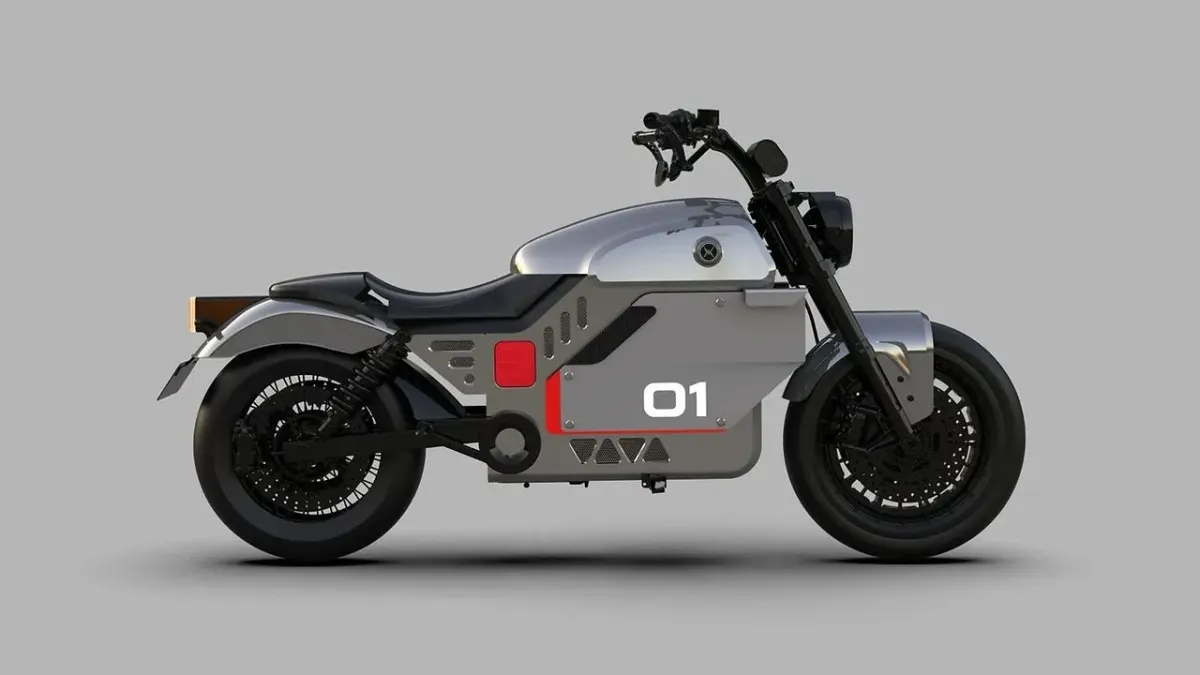
Evoke Motorcycles has spent more than a decade building electric motorcycles at the pricier end of the market, so its newest reveal is a genuine change of direction. On 7 September 2026 the Beijing-based brand unveiled the Nrgy, a two-model line built to undercut nearly everything else in the electric motorcycle category while still promising highway-capable performance. Evoke announced the news through its own channels, with Electrek among the first outlets to cover it in detail.
The Nrgy arrives as two variants, the Nrgy 6 and Nrgy 8, named for their battery capacities. The Nrgy 6 runs a 6.4kWh lithium iron phosphate (LFP) pack with a target price of USD $4,995 (roughly AUD $7,092 at current exchange rates of about 1 USD to 1.42 AUD). The Nrgy 8 steps up to an 8.4kWh LFP pack and an expected price of USD $6,495 (around AUD $9,223). LFP chemistry trades a little energy density for a longer service life and better thermal stability than the nickel-based cells used in most premium electric motorcycles, which fits the Nrgy's positioning as a value-focused, everyday runabout rather than a performance flagship.
A familiar silhouette hiding new engineering
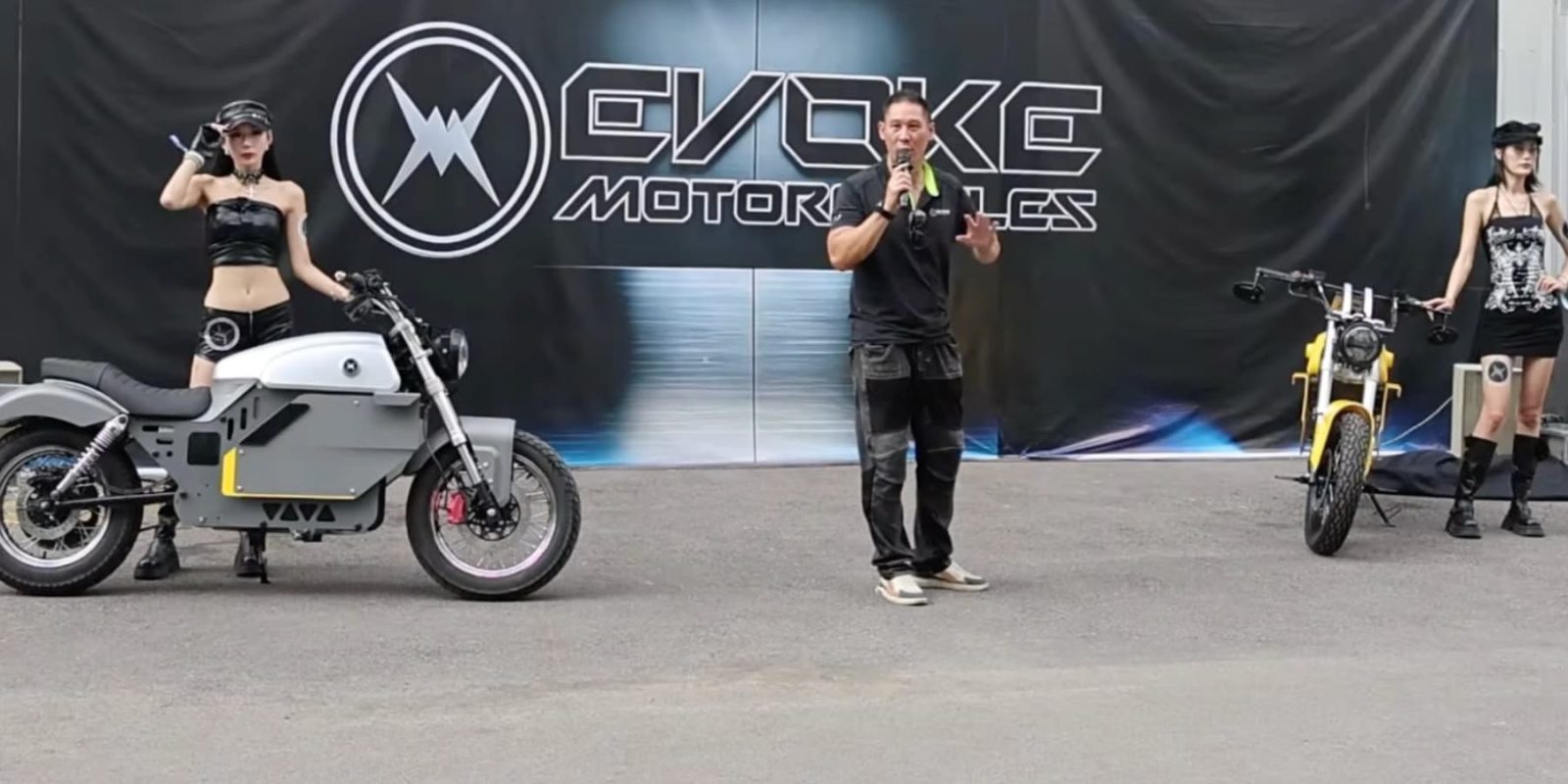
Where a lot of budget electric motorcycles lean into a scooter-like or overtly futuristic look, Evoke has gone the other way with the Nrgy. The design mixes large, slab-sided body panels that hide the battery pack with a traditional-looking faux tank and a minimalist tail section, so from a distance it reads as a conventional small-capacity motorcycle rather than an EV. Underneath that familiar shape sits Evoke's patented Twin Plate chassis architecture, a structural approach the company has carried over from its more expensive models, now adapted to keep manufacturing costs down while still giving the bike a rigid backbone to hang the motor, battery and suspension from.
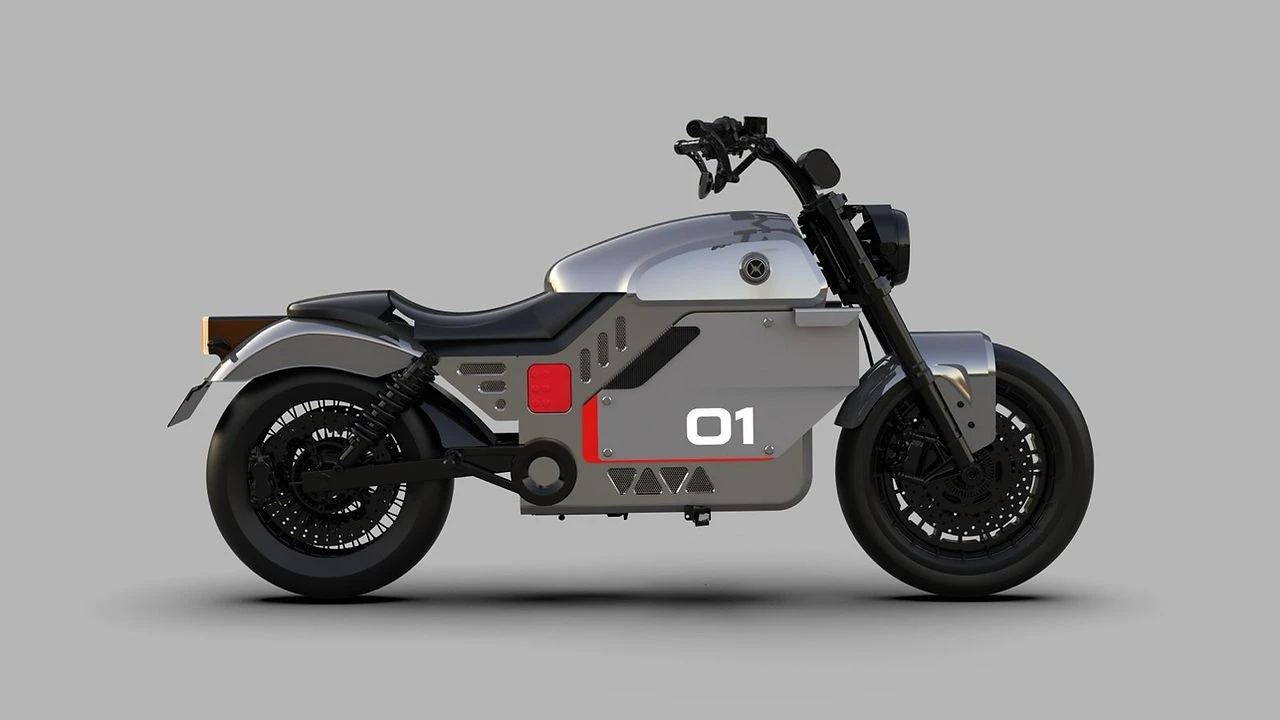
Both models share the same running gear: 43mm upside-down front forks, twin rear coilovers, and disc brakes at both ends. Evoke has quoted a top speed of around 120km/h (75mph) for both the Nrgy 6 and Nrgy 8, which is enough to keep pace with city and suburban traffic and, unlike many lower-powered electric two-wheelers, actually hold its own on a highway on-ramp. Reported kerb weights sit around 156kg for the Nrgy 6 and 182kg for the Nrgy 8, with claimed city range (measured to China's CLTC cycle) of roughly 142 to 212km for the smaller battery and 186 to 263km for the larger one. Evoke has not yet published range figures tested to other regional standards, so those numbers should be treated as a starting point rather than a like-for-like comparison with WLTP or EPA-rated machines.
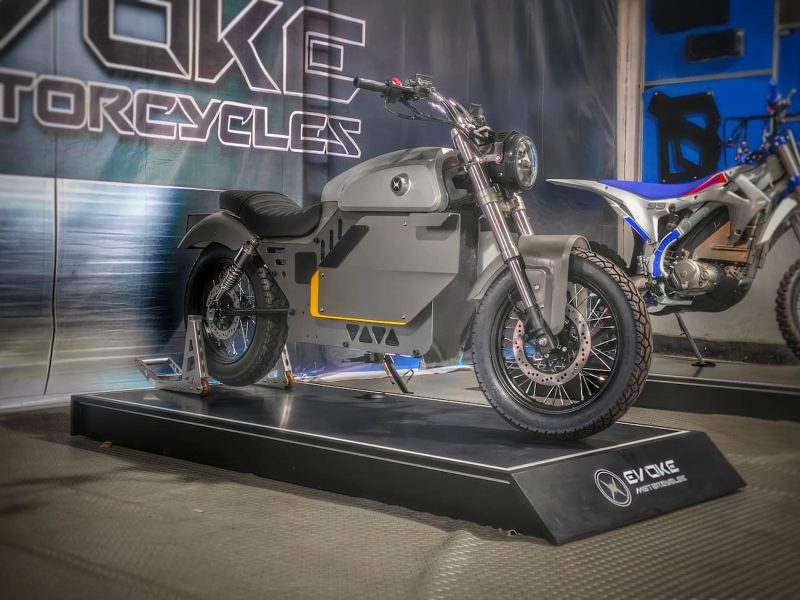
Two colourways, one strategy
Evoke has shown the Nrgy in at least two launch colourways so far, including a bright Laser Yellow that leans into the bike's more playful, entry-level positioning.
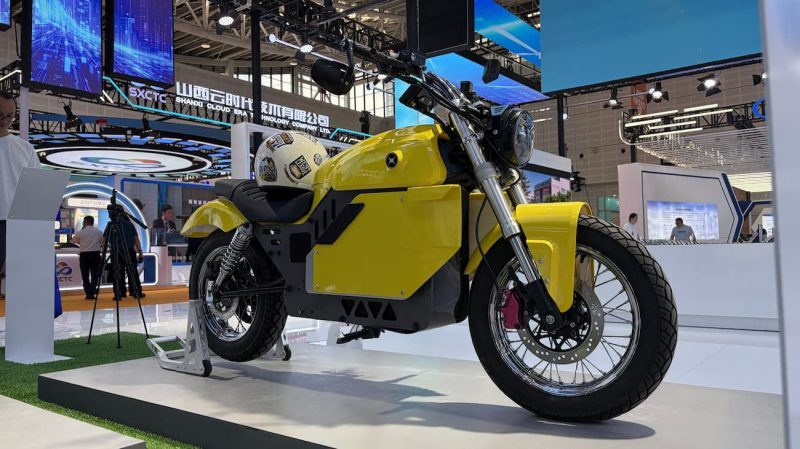
The strategy behind the Nrgy is straightforward: Evoke wants a foothold in the fast-growing middle ground between cheap, low-speed electric scooters and the premium electric motorcycles that dominate headlines but remain out of reach for most riders. The company built its reputation on the opposite end of the market, with long-range cruisers like the 6061 and the adventure-styled Odyssey pitched well above $10,000 USD, so the Nrgy represents a genuine widening of its line-up rather than a tweak to an existing model. Evoke is targeting Southeast Asia, Europe and North America for the initial rollout, betting that a Western-recognised brand can compete with the wave of low-cost electric motorcycles and scooters coming out of Chinese manufacturers, while offering more highway capability than most of them.
What's still unconfirmed
Evoke has been upfront that the numbers announced so far are targets rather than locked-in figures. Final regional pricing, specifications and delivery schedules for Southeast Asia, Europe and North America are still to be confirmed, and the company has not published a firm on-sale date beyond flagging deliveries for the following model year. There is no confirmed Australian pricing, availability or importer at this stage, and neither Evoke nor its distributors have announced local plans, so anyone hoping to see the Nrgy on Australian roads will need to wait for a dedicated regional announcement.
At a glance:
- Nrgy 6: 6.4kWh LFP battery, target price USD $4,995 (approx. AUD $7,092)
- Nrgy 8: 8.4kWh LFP battery, expected price USD $6,495 (approx. AUD $9,223)
- Top speed: approximately 120km/h (75mph) for both models
- Chassis: Evoke's patented Twin Plate architecture, with 43mm USD forks and twin rear coilovers
- Brakes: disc brakes front and rear on both models
- Claimed CLTC city range: 142-212km (Nrgy 6), 186-263km (Nrgy 8)
- Target markets: Southeast Asia, Europe and North America; no confirmed Australian pricing or availability yet
Verdict: The Nrgy is a smart bet for Evoke. Its existing cruisers and adventure bikes prove it can build a competent electric motorcycle, and folding that experience into a sub-$5,000 model gives it a real shot at riders who currently default to a petrol commuter or a low-speed e-scooter because nothing electric in this price bracket has offered proper highway manners. The Twin Plate chassis and disc brakes front and rear suggest Evoke hasn't cut corners on the parts that matter for safety and control, even if the styling plays it safe with a conventional silhouette rather than pushing the electric-motorcycle look forward. The real test is whether Evoke can hit these target prices once it reaches Southeast Asian, European and North American showrooms, and whether Australian riders get a look-in at all. Until regional pricing and an actual on-sale date are locked in, the Nrgy is a genuinely promising announcement rather than a bike you can buy.