Ferrari 849 Testarossa Australia: The Red Head Returns
A red-painted engine cover started it in the 1950s. Now a 772kW hybrid V8 carries the Testarossa name, and the poster car's heritage is back on show in Australia.
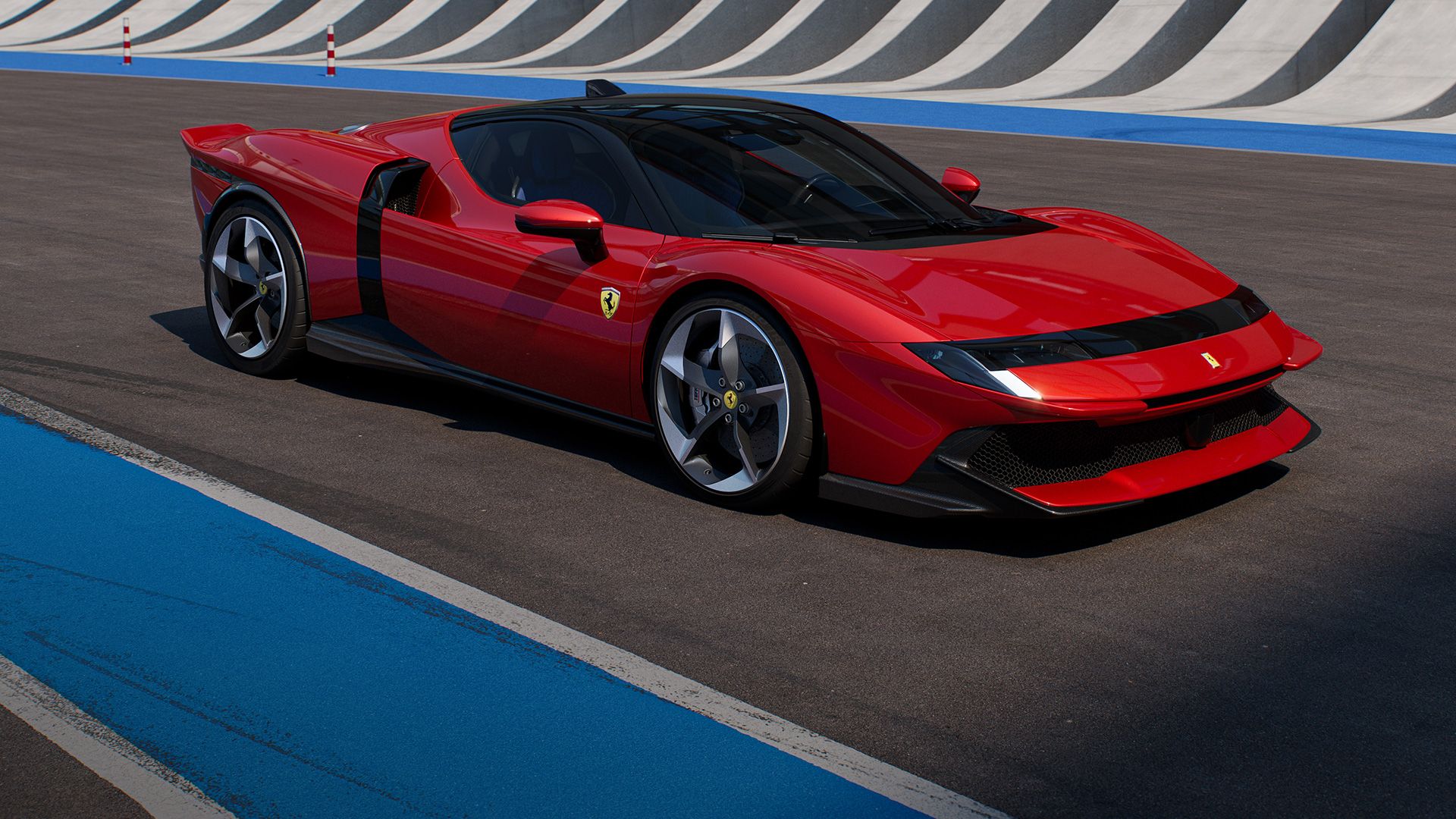
The red head is back. The Ferrari 849 Testarossa brings one of the great names in motoring back. Before the poster car, before the pop-up headlights, there was a racing car with a red engine cover, and that is where the famous Testarossa name comes from.
Testa rossa is Italian for red head. In the 1950s Ferrari's racing cars featured red-painted engine covers, and that name stuck to the car that made it famous: the 250 Testa Rossa of 1957. Under its long, low, hand-built body sat a 3.0 litre V12 making 221kW, and it helped Ferrari win the 1958 World Manufacturers' Championship, with Le Mans wins in 1958 and 1960.
The red-headed racer
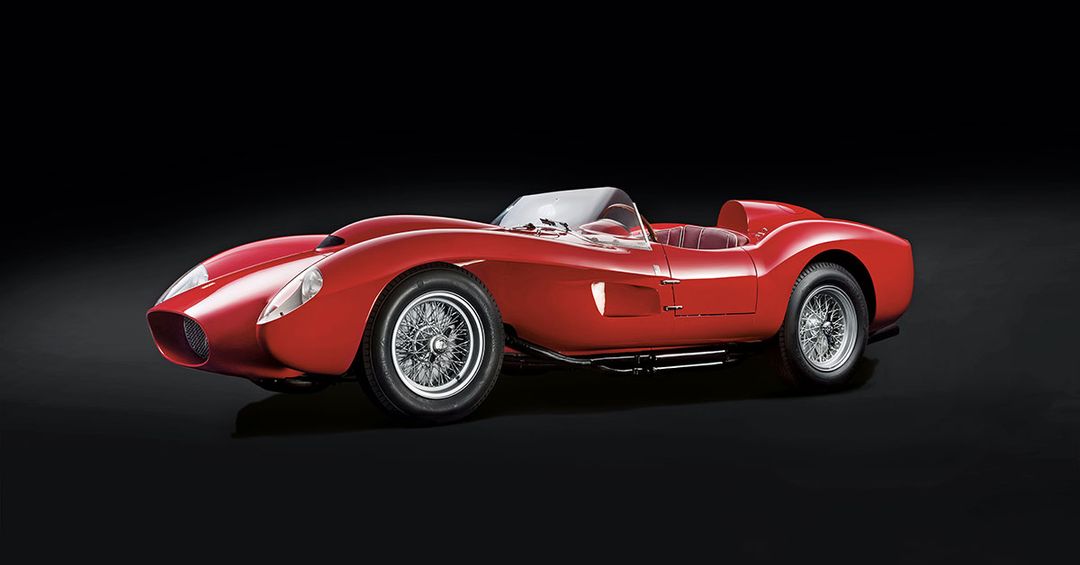
Look at it for a minute. No roof, no fuss, a nose like a shark and nothing on the body that did not need to be there. I think this is the purest version of the name, and every Testarossa since has been chasing the feeling it gives off.
The reason it looks and sounds so amazing is actually because of a rule change imposed by the FIA. At the time the word around Maranello was that the FIA was going to cap prototypes at three litres, so Ferrari took the reliable V12 from the 250 Gran Turismo and tuned it, adding six twin-choke carburettors, that saw the top speed jump to 270km/h. For the 1950s, that is a ridiculous pace especially given the braking and tyre technology was not keeping pace.
1984: the poster car
Then came the one most of us picture. Ferrari revealed the Testarossa at the Lido nightclub on the Champs-Élysées in Paris on the eve of the 1984 Paris Salon, and Pininfarina's shape was unlike anything else on the road: wide, low, with those deep side strakes feeding the radiators. Behind the cabin sat a 4.9 litre flat-12 making around 390bhp. To my eye it is the car that made the 1980s look fast even when it was standing still.
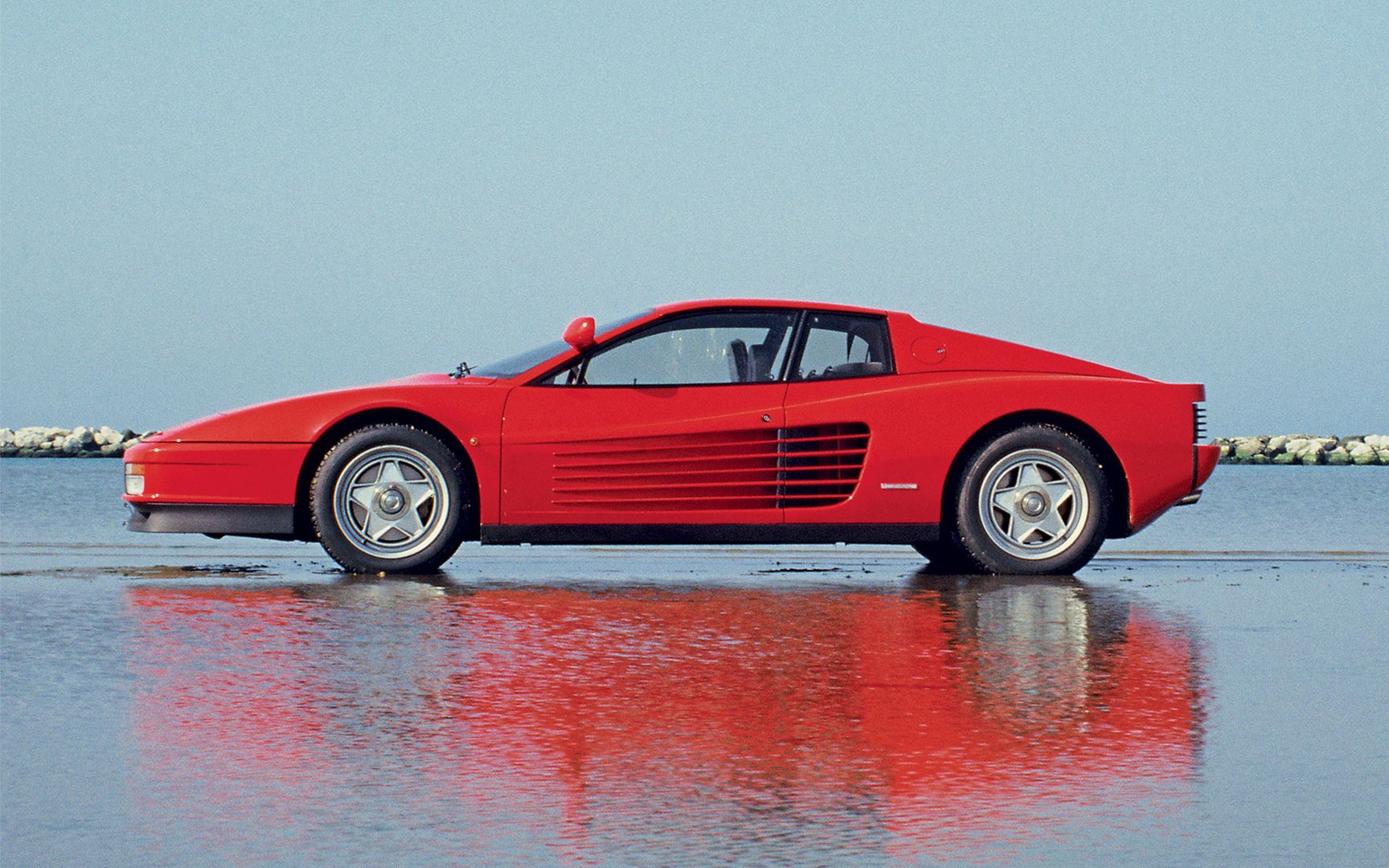
Ferrari built 7,177 of the original through to the end of 1991. The 512 TR followed with 428bhp, a lower-mounted powertrain and a stiffer structure, and in 1994 the F512 M (the M is for modificata) lifted output to 434bhp (440cv), ditched the pop-up headlights and added four round tail lights. Across all three versions, close to 10,000 cars were made.
The overlooked one is getting noticed
Here is the part that surprises people. The Testarossa has long been the Ferrari of its era that the market did not chase. The 288 GTO and the F40 shot up into the millions, while the car on the poster stayed within reach of a determined enthusiast. It was never forgotten, and it had its own price run in the mid-2010s before cooling off again, but it has spent years in the shadow of its more exclusive stablemates.
That is starting to shift. Collectors who grew up with the Testarossa poster on their wall are now old enough to buy one, and interest is climbing. The gap to its old rivals is still enormous and with circa 17,000 cars produced it will never be as exclusive. However, a brand new Ferrari wearing the name will not hurt its profile one bit.
Now the name is back
The new car has departed from the flat-12. Instead opting for a plug-in hybrid: a 4.0 litre twin-turbo V8 making 610kW, with three electric motors adding another 162kW for a claimed 772kW (1035bhp) in total.
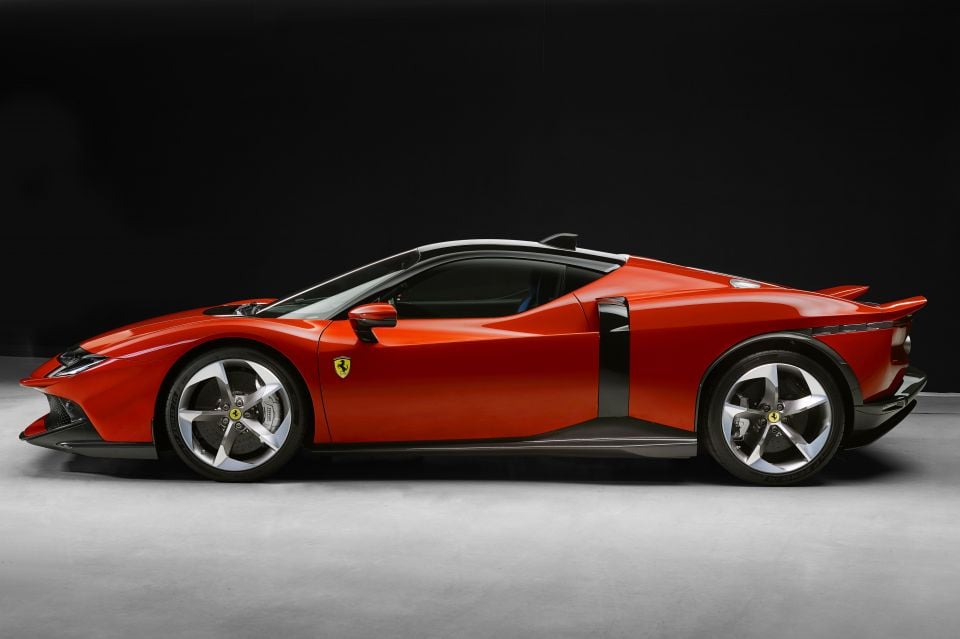
Part of me wanted the Testarossa to stay a 12 cylinder petrol only. However, that crown is now worn by the 12Cilindri, a naturally aspirated 6.5 litre that revs to 9,500rpm. Then I remembered what the testa rossa actually stands for: Its Ferrari pushing as far as it could go at the time. The 849 does the same thing with the tools of 2026, and I can respect that. Whether it earns the name in the way the other two did is out for debate, but for one thing it is beautiful.
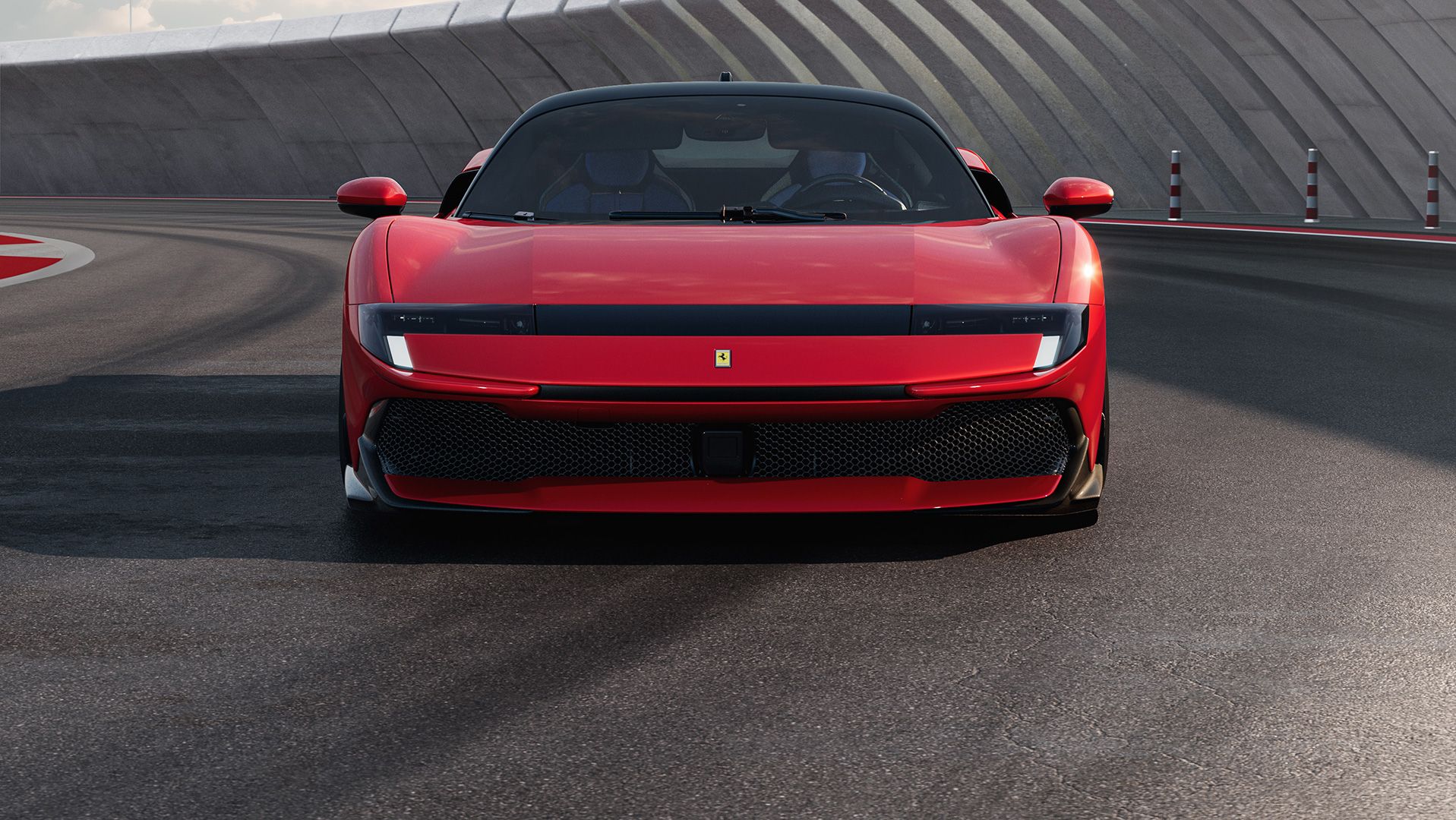
Think about the distance between those cars. A 3.0 litre V12 with 221kW in 1957, a 4.9 litre flat-12 with around 390bhp in 1984, and now 1035bhp. Every generation has been Ferrari's answer to the same question: how much can we give you? That is the thread I care about, far more than the cylinder count.
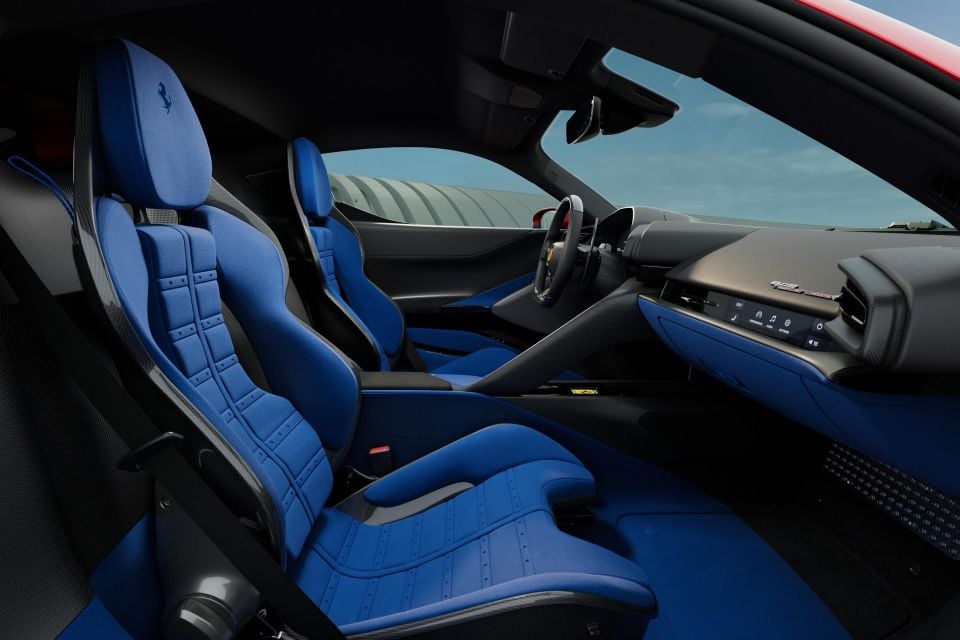
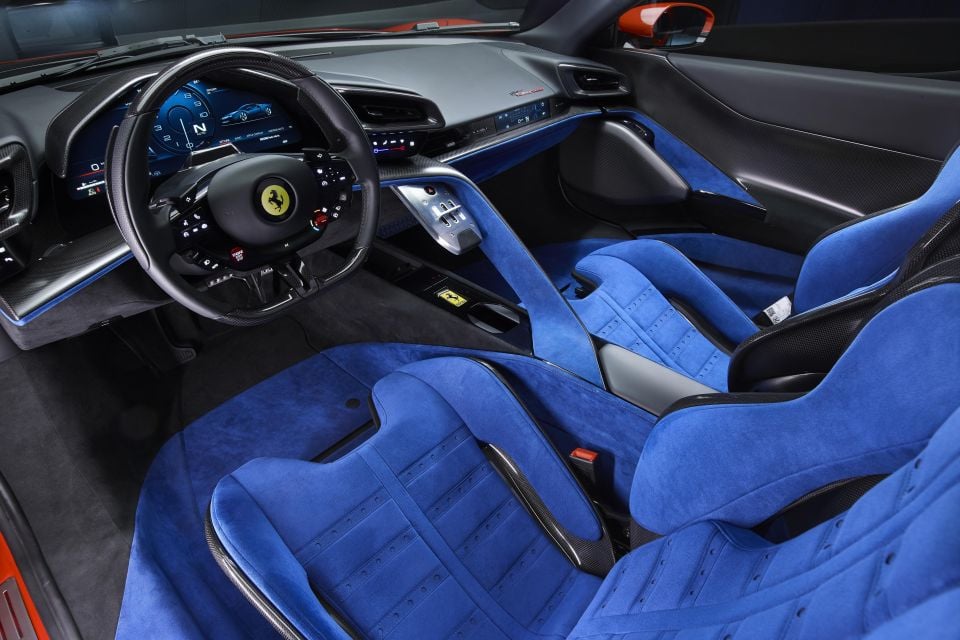
Coupe or Spider?
Australia gets the 849 Testarossa as either a coupe or a Spider. Ferrari Sydney hosted the local debut, followed by private showroom viewings with Ferrari product specialists. The coupe starts at $932,648 and the Spider at $1,015,589, both before on-road costs, with options and registration pushing the real figure higher. The $82,941 difference buys a retractable hardtop that Ferrari says opens or closes in 14 seconds, even while moving at up to 45km/h, and adds about 90kg.
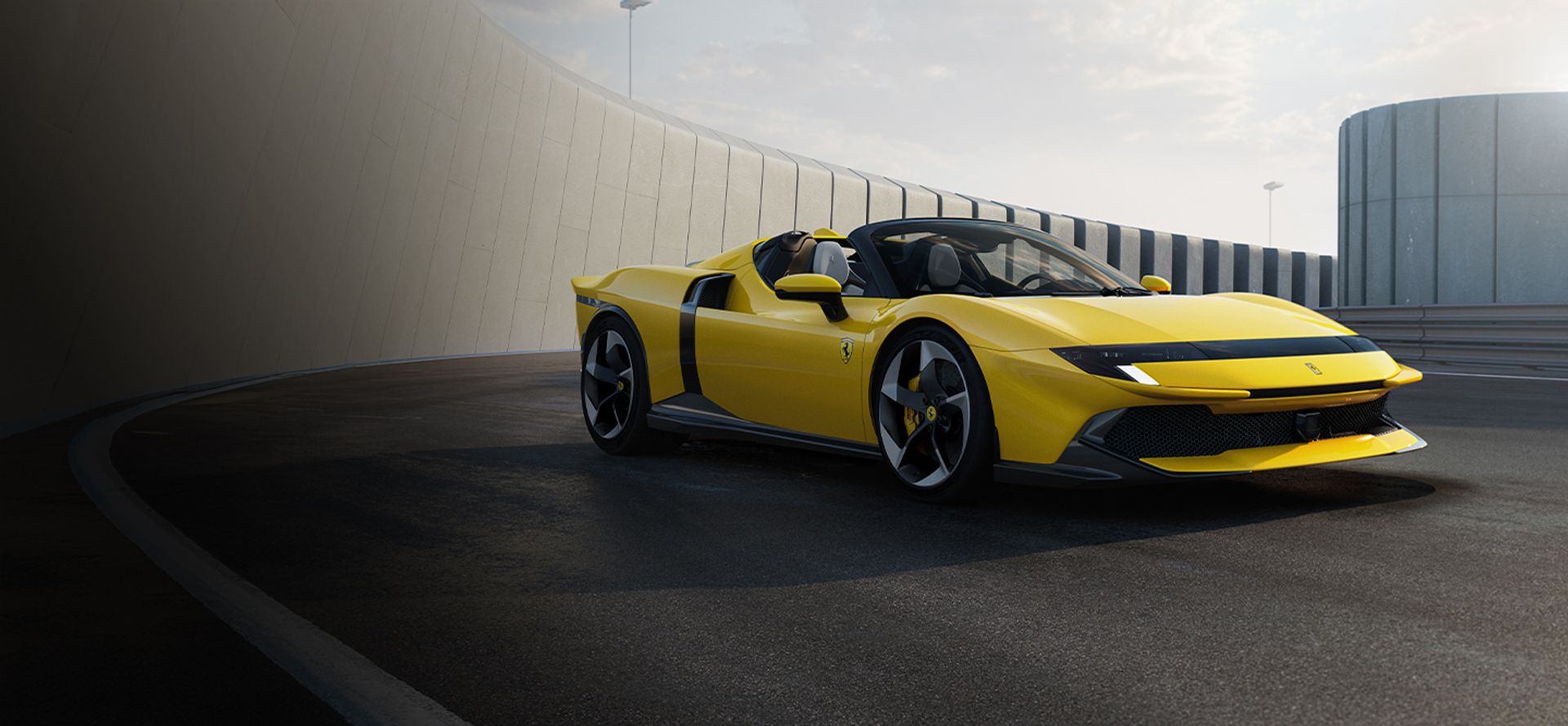
The Spider is expected to arrive in Australia from the first quarter of 2027, while the local arrival date for the coupe has not been confirmed.
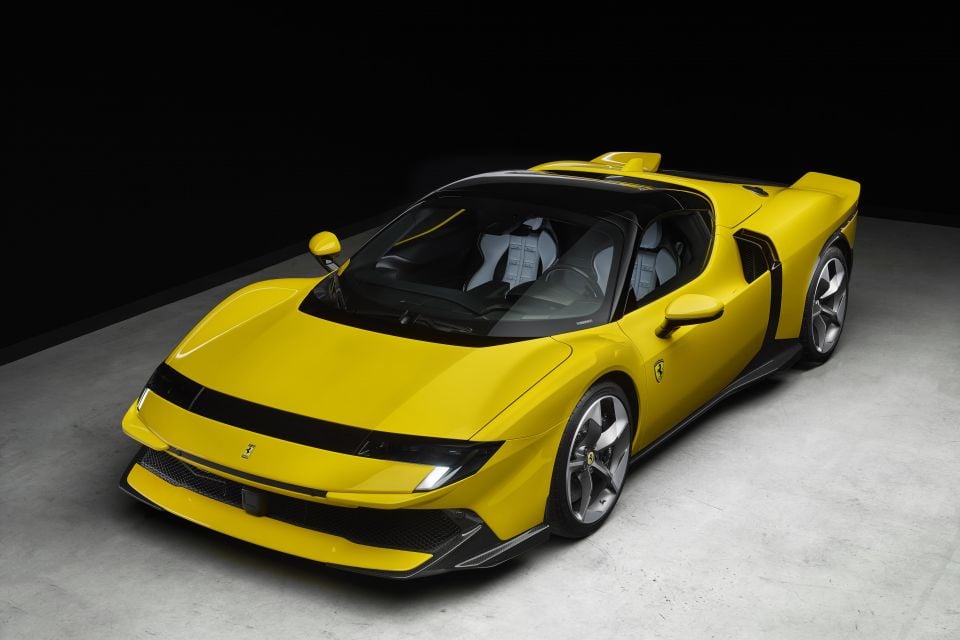
My pick is the Spider. The first Testa Rossa had no roof either, and a car this loud deserves to be heard.
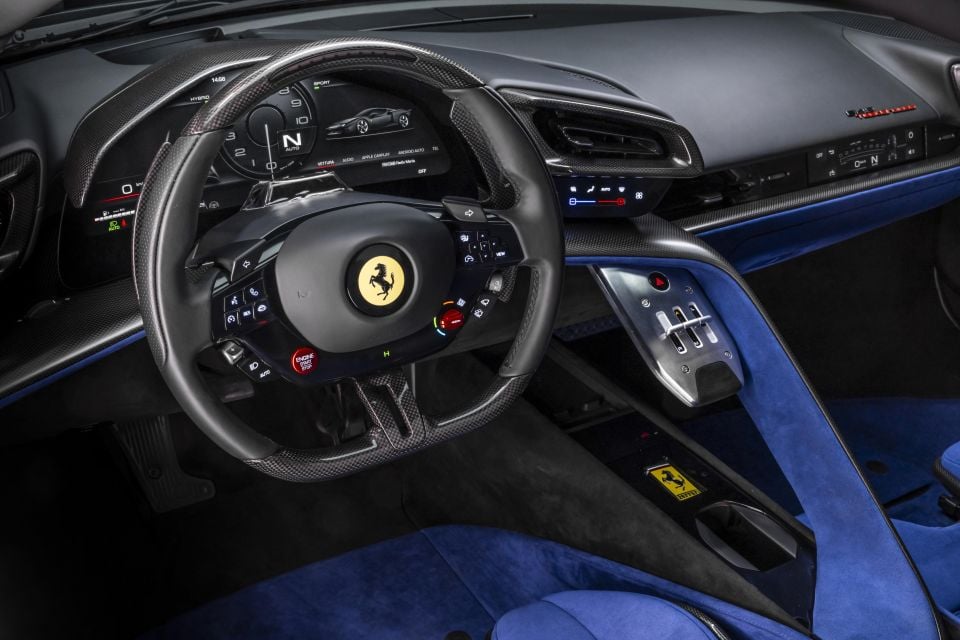
At a glance
- Coupe: from $932,648 before on-road costs, 772kW combined, local arrival timing not confirmed
- Spider: from $1,015,589 before on-road costs, 772kW combined, expected from Q1 2027
- Shared: plug-in hybrid with a 4.0 litre twin-turbo V8 and three electric motors
Verdict: the Testarossa name has been earned over almost seventy years, from an open red-headed racer to the poster car that defined the 1980s. The 849 is a beautiful car that honours that heritage, and it has the presence to put the Testarossa back on bedroom walls around the world.