The Porsche 928: The Collector's Car Still Flying Under the Radar
The 928 was built to replace the 911 and never got the credit. As air-cooled Porsches price themselves out of reach, it's the one still flying under the radar.
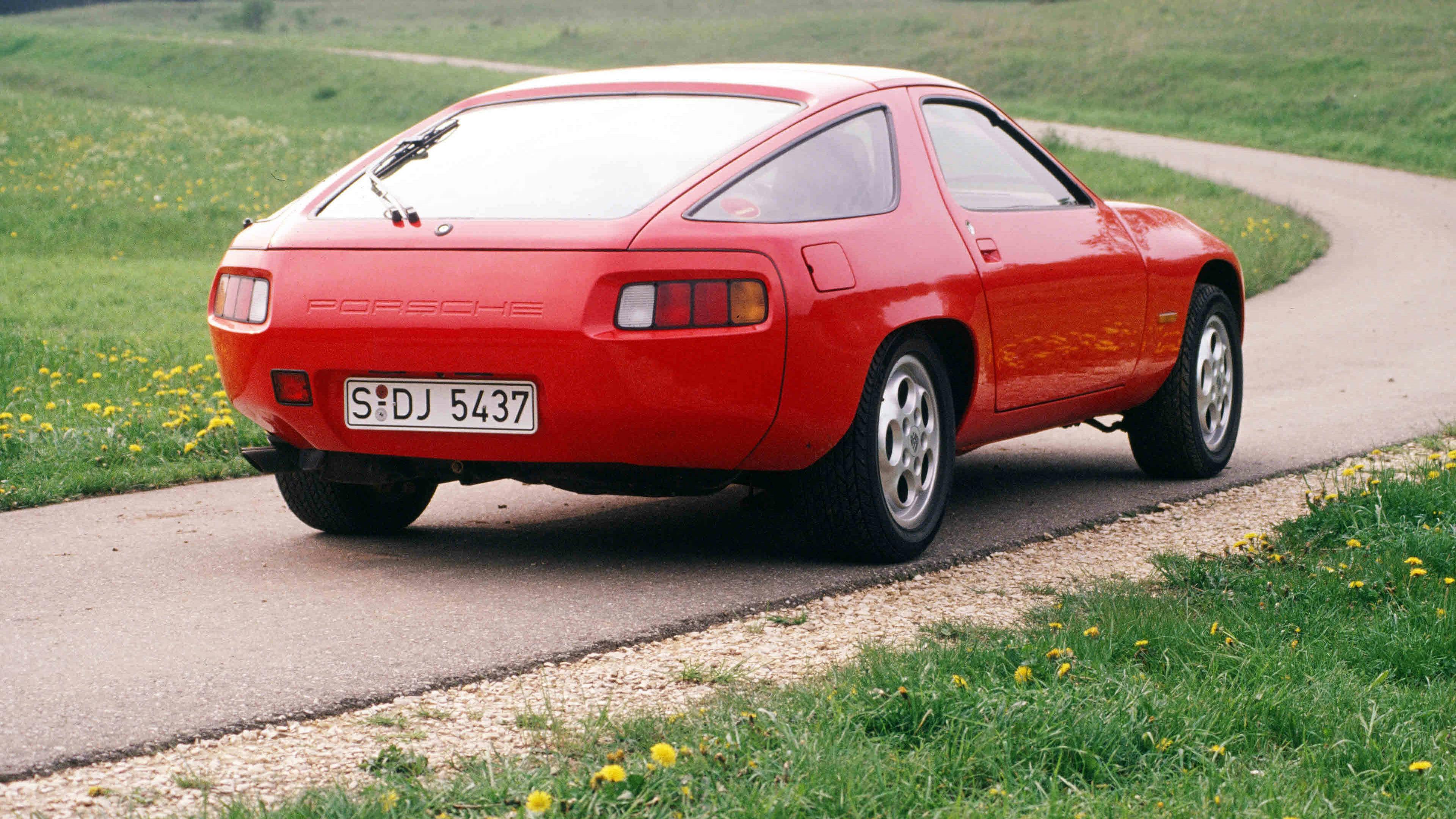
Every classic Porsche conversation defaults to the 911, which is exactly why the 928 has spent four decades being the brand's best-kept secret. It was built to replace the 911 outright, backed by Porsche's own engineers, and it never got the credit for being very good at the job it was actually designed to do. That's starting to change, and the window to buy one before everyone else notices is closing.
The Car Porsche Built to Kill the 911
In the mid-1970s, Porsche genuinely believed the 911's air-cooled, rear-engined layout had reached its limit, and that the future was a front-engined, water-cooled grand tourer with its gearbox mounted at the back for perfect weight balance. That car was the 928, and for a while it looked like the plan might work: it won European Car of the Year in 1978, something no 911 ever managed. Enthusiasts never forgave it for trying, and the 911 quietly outlived the car meant to replace it. That grudge is the entire reason the 928 stayed cheap for so long.
Why It's Worth Taking Seriously Now
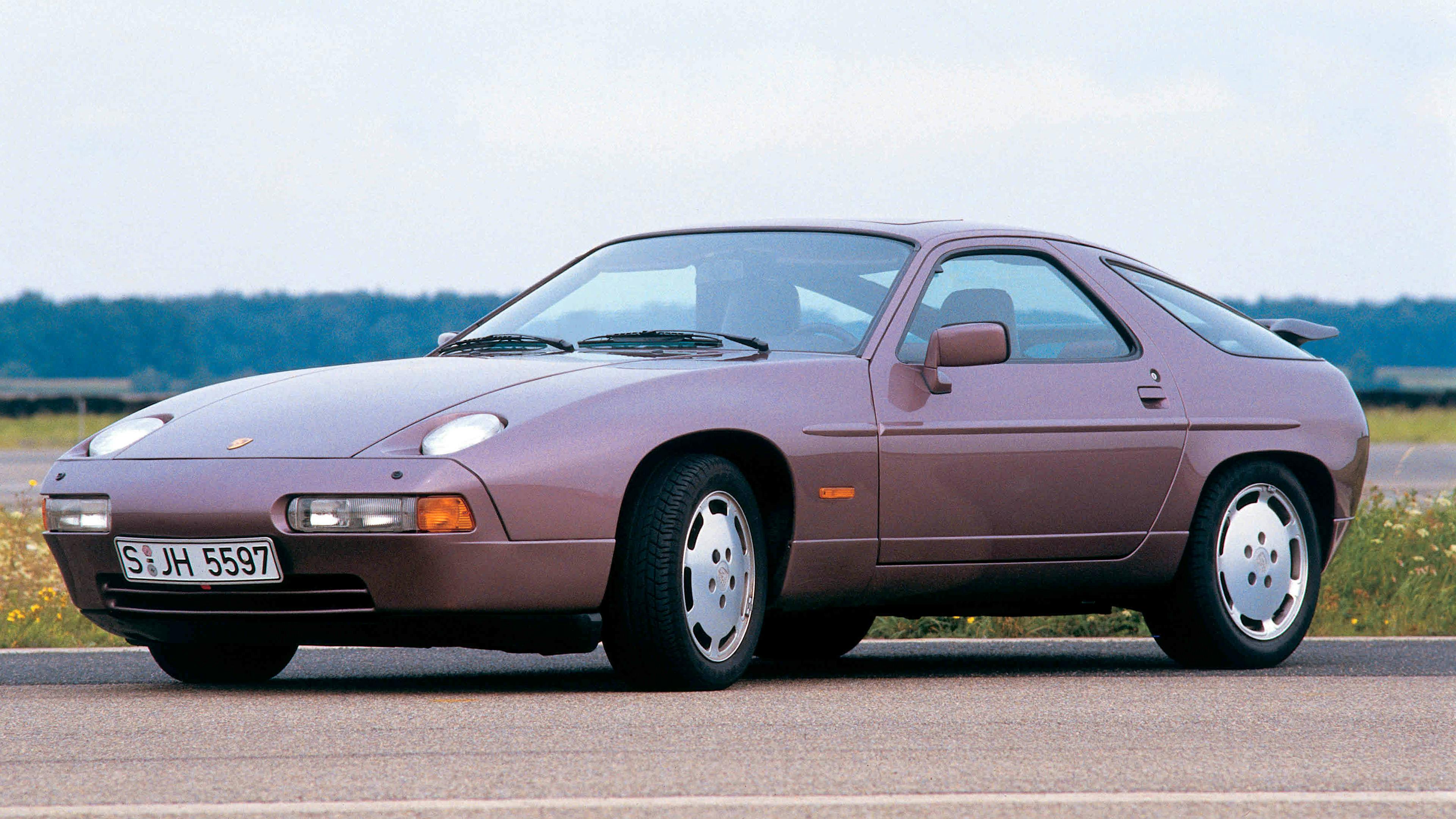
The 928 was never a budget option when new. It launched above the 911 in Porsche's own lineup and was engineered to a standard that still shows: a smooth, torquey V8, pop-up headlights, and a cabin built like a proper long-distance tourer rather than a stripped-out sports car. For most of its life none of that mattered to buyers chasing 911s, which pushed 928 prices down to a level that made no sense given what the car actually was. That gap has started closing as collectors run out of affordable air-cooled 911s and look sideways at everything else Porsche built in the same era.
The 993 and 964-era 911s already made that jump and priced themselves out of the "flying under the radar" category. The 928, particularly the later S4 and GTS versions with the bigger V8, hasn't caught up yet, which is exactly the position a car needs to be in before people start paying attention.

What One Actually Costs Right Now
The numbers back up the thesis. Tracked sale data from Classic.com's 928 S4 market page puts the average automatic around US$25,700 (approx. AU$37,000), with manual cars, the ones collectors actually want, trading closer to US$37,700 (approx. AU$54,000). Compare that to a 964 Carrera, which now regularly clears six figures in the same condition, and the 928 looks less like a cheap curiosity and more like the last affordable door into air-cooled-era Porsche ownership.
Porsche itself still supports the car properly through its Porsche Classic parts and service programme, which matters more for a 1980s V8 than it does for most classics of the same era: timing belt kits, trim and even some body panels are still available to order new rather than hunted down secondhand.

What To Actually Look For
- A full timing belt and water pump service history; this is the single most expensive thing to get wrong on a V8 928
- The manual gearbox over the automatic, where you can find it; it's rarer and it's the one collectors are chasing
- Later S4 or GTS cars for the larger, smoother V8, rather than the earlier, softer S models
- A car that's been driven, not stored; these were built to be used, and long-dormant examples bring their own problems
At a glance: 1978 European Car of the Year · auto market average ~AU$37,000 · manual market average ~AU$54,000 · still factory-supported through Porsche Classic.
None of this is a get-rich-quick pitch. The 928 is still a 1980s car with 1980s electrics, and buying one means budgeting for maintenance rather than chasing a spreadsheet. But as a genuinely well-engineered grand tourer from a brand whose every other classic has already been priced into the stratosphere, it's one of the few places left where the car is still worth more than what people are currently paying for it.