5 AI Devices Trying to Kill the Smartphone
Glasses, pins, and headsets from Meta, Google, Samsung and Rabbit are betting AI doesn't belong inside a screen. Here's who's furthest along.
For most of the past decade, AI lived inside a screen. Type a question, open an app, wait. This year, the biggest names in tech are betting on a different idea: AI that comes with you, ambient and hands-free. Here's who's furthest along.
1. Meta Muse (Glasses + Pocket Device)
Meta's approach pairs its Muse AI agent with both smart glasses and a companion pocket-sized device, aiming to make the assistant something worn rather than opened. The pitch is simple: less looking down, more looking up.
Spec callout: Dual form factor, glasses plus pocket companion device.

The pocket device, called Muse Charm, was announced at Connect 2026 alongside a separate pair of standalone Meta VR Glasses priced at USD 1,299.99. Meta has said more detail on Muse Charm itself, including price and release timing, will come later in 2026, and there is no confirmed Australian pricing yet for either product. In the meantime Muse is being rolled out as a software layer across Meta's existing Ray-Ban lineup, with real-time voice conversation and the ability to interpret what the wearer is looking at to take action.
2. Google Gemini Eyewear
Google is bringing Gemini directly into intelligent eyewear, folding its assistant into a wearable rather than a standalone app. It's the clearest sign yet that Google sees glasses, not phones, as the next default surface for AI.
Spec callout: Gemini assistant built natively into smart glasses hardware.

Built on Google's Android XR platform, the eyewear is a collaboration with eyewear brands Gentle Monster and Warby Parker, putting Gemini's voice assistant, live translation and visual search directly into everyday-looking frames rather than a bulky headset. Google has said the glasses are due out later this year, but as with Meta's hardware, no retail price has been confirmed yet in the US or Australia.
3. Samsung Galaxy XR
Samsung has repositioned its Galaxy XR headset as a full AI-powered spatial computer rather than a media device. It's the most immersive entry on this list, and the one most clearly aimed at replacing a desk setup rather than a phone in your pocket.
Spec callout: Spatial computing headset with integrated AI processing.
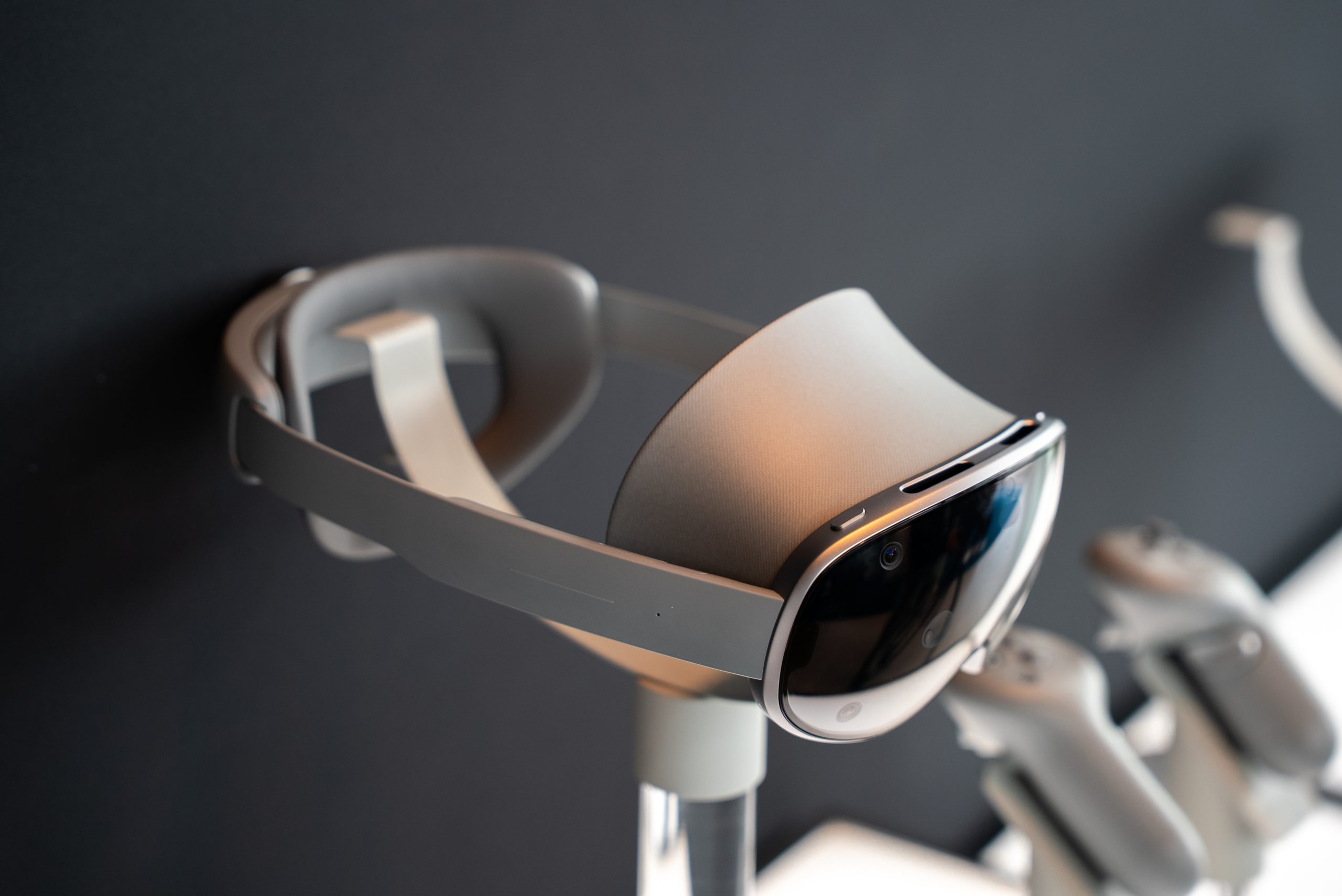
The Galaxy XR is currently sold only in the US and South Korea, where it's priced at USD 1,799, roughly half the price of Apple's Vision Pro. Australian pricing has not been announced, and Samsung has not confirmed a local launch date, so buyers here are currently limited to importing the headset through parallel-import retailers or shipping forwarders.
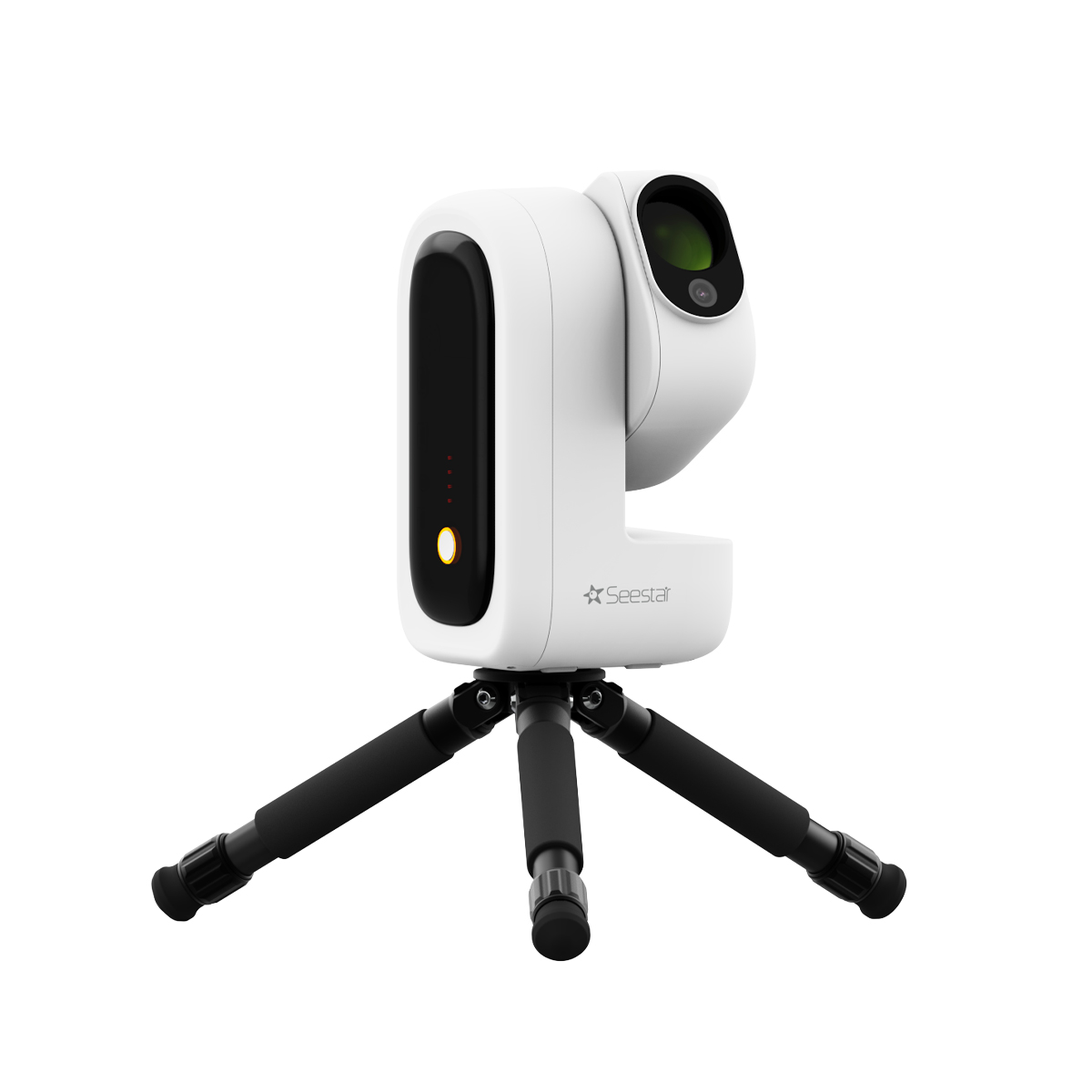
4. RayNeo Air 4 Pro
While Meta and Google chase headlines, RayNeo's Air 4 Pro has quietly become the smart glasses pick reviewers keep landing on. It skips the bulk of a full XR headset in favour of something you'd actually wear all day.
Spec callout: Lightweight all-day smart glasses form factor.
The Air 4 Pro sells for USD 299 and weighs just 76 grams, running on a 0.6-inch Micro-OLED panel that projects what RayNeo describes as a 201-inch virtual display at up to 120Hz with HDR10 support. Rather than carrying its own battery, the glasses plug into a phone, laptop, console or tablet over USB-C and draw power and video from that device, keeping the frames themselves light enough for all-day wear. Australian pricing has not been officially announced by RayNeo.
5. Rabbit R1 (with OS3)
Rabbit's R1 had a rocky 2024 launch, but the company hasn't backed off. Its new OS3 update turns the R1 into what Rabbit calls an agentic operating system, coordinating tasks across Windows, Mac, Linux, cloud virtual machines and the device itself. Reliability was the original complaint; OS3 is Rabbit's answer to it.
Spec callout: OS3 agentic software, cross-platform task coordination.

The R1 itself has held steady at USD 199 since launch, with OS3 arriving as a free software update rather than a new device, meaning existing owners get the agentic upgrade without paying again. Australian pricing has not been officially announced by Rabbit, though the device has previously been available here through third-party importers at a markup on the US price.