Beginner's Guide to Whisky: How to Drink It Five Easy Ways
Strong, serious and a bit savage? Whisky does not have to be. Here is how to start, from a tall summer highball to a few drops of water.
Whisky to me looks like a lot of fun, but it can also feel a bit daunting. The first sip of a strong whisky can be a bit of a shock, and it is easy to wonder if you are doing it right. Well the good news is nobody is handing out a licence. There is no wrong way to enjoy it, only ways that suit you and ways that do not (yet).
1. Neat, in a small tulip-shaped glass
Neat just means nothing added: no ice, no water, no mixer. A small glass that narrows towards the top (a tulip shape) gathers the smell and sends it up to your nose, which matters more than you would think, because much of what we call taste is really smell.
Start with a gentle sniff from a little way back, then move closer. If your nose stings, you have gone in too hard, so ease off and try again. Take a small sip, let it sit on your tongue for a moment, then swallow. Do not worry about finding "notes of leather and old libraries". Picking out something as simple as fruit, honey or caramel is a perfectly good result.
An easy Scotch such as Glenfiddich 12 Year Old is a gentle place to practise, because it leans soft and fruity rather than smoky.

2. Neat, with a few drops of water
This is the trick that changes the most for the least effort. Add a few drops of room-temperature water, with a teaspoon or a clean straw, and give it a moment.
There is some fun science behind it. Researchers in Sweden built a computer model of whisky and water at the level of individual molecules (the study was published in Scientific Reports in 2017). In the model, when water is added, flavour molecules such as the one linked to smoky whisky drift towards the surface of the drink, which is the part your nose meets first. The practical bit still holds: a splash of water softens the burn and often lets more flavour through, and it is easy to add more but impossible to take it back out so go slow.
3. Over one large ice cube
One big cube beats a handful of small ones. A large cube has less surface touching the whisky compared with its size, so it melts more slowly and the drink stays cold without turning watery in five minutes.
Cold does change things, though. Very cold drinks mute smell and flavour, so some of the subtle, fruity bits go quiet while the heavier oak and smoke stay put. That means you can use ice like a little dial. If a whisky tastes too hot or too sharp, ice and a little patience will usually calm it down. If it tastes flat, time to pull the ice and let it warm up a bit.
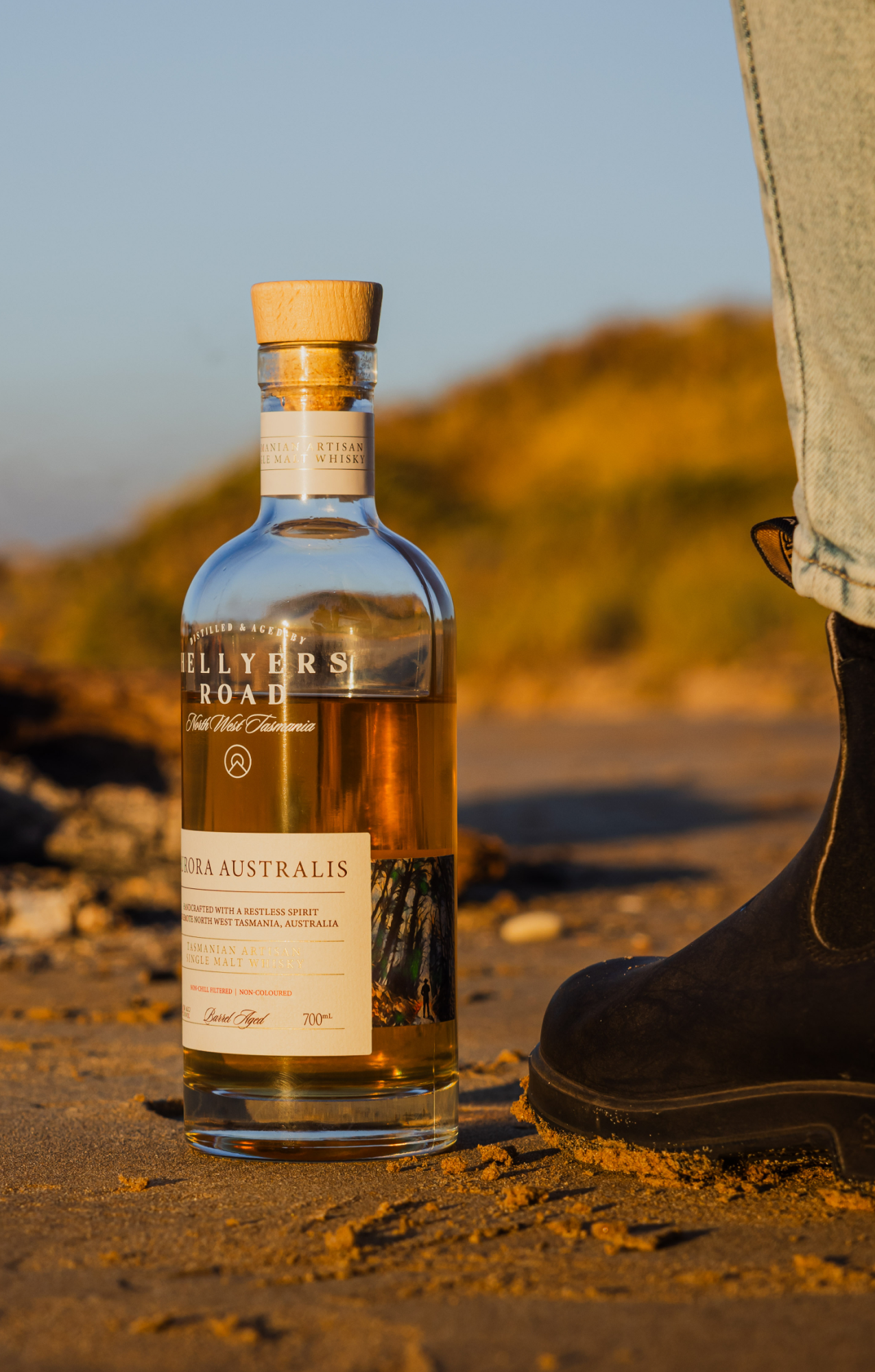
A smooth Australian single malt such as Hellyers Road Aurora Australis, from Tasmania, is happy sitting over a single big cube.
4. As a highball, with soda or ginger ale
If whisky has ever felt intimidating, consider this your Oysters Kilpatrick. Fill a tall glass with plenty of ice, pour in a measure of whisky, then top it with about three times as much cold soda water. Give it one gentle stir and add a twist of lemon or orange peel if you feel fancy.
It is light, fizzy and refreshing, with the whisky doing a quiet job in the background. Ginger ale makes it sweeter and rounder, which is a friendly option if you are not sold on the taste yet. It is also a very good thing to hold on a hot afternoon at the cricket, the beach or the Melbourne Cup lunch.
A light Japanese blend such as Suntory Toki is made for this job, and a friendly Scotch like Glenfiddich 12 works nicely too.

5. In a simple cocktail
An Old Fashioned is whisky, a little sugar, a couple of dashes of bitters and a strip of orange peel, stirred over ice. It tastes like whisky with the rough edges sanded off. A whisky sour is shaken whisky, lemon juice and sugar syrup, and it is sharp, sweet and smooth all at once (add egg white if you want the foamy top). Both are forgiving and hard to get badly wrong, which makes them ideal for a first go at home.
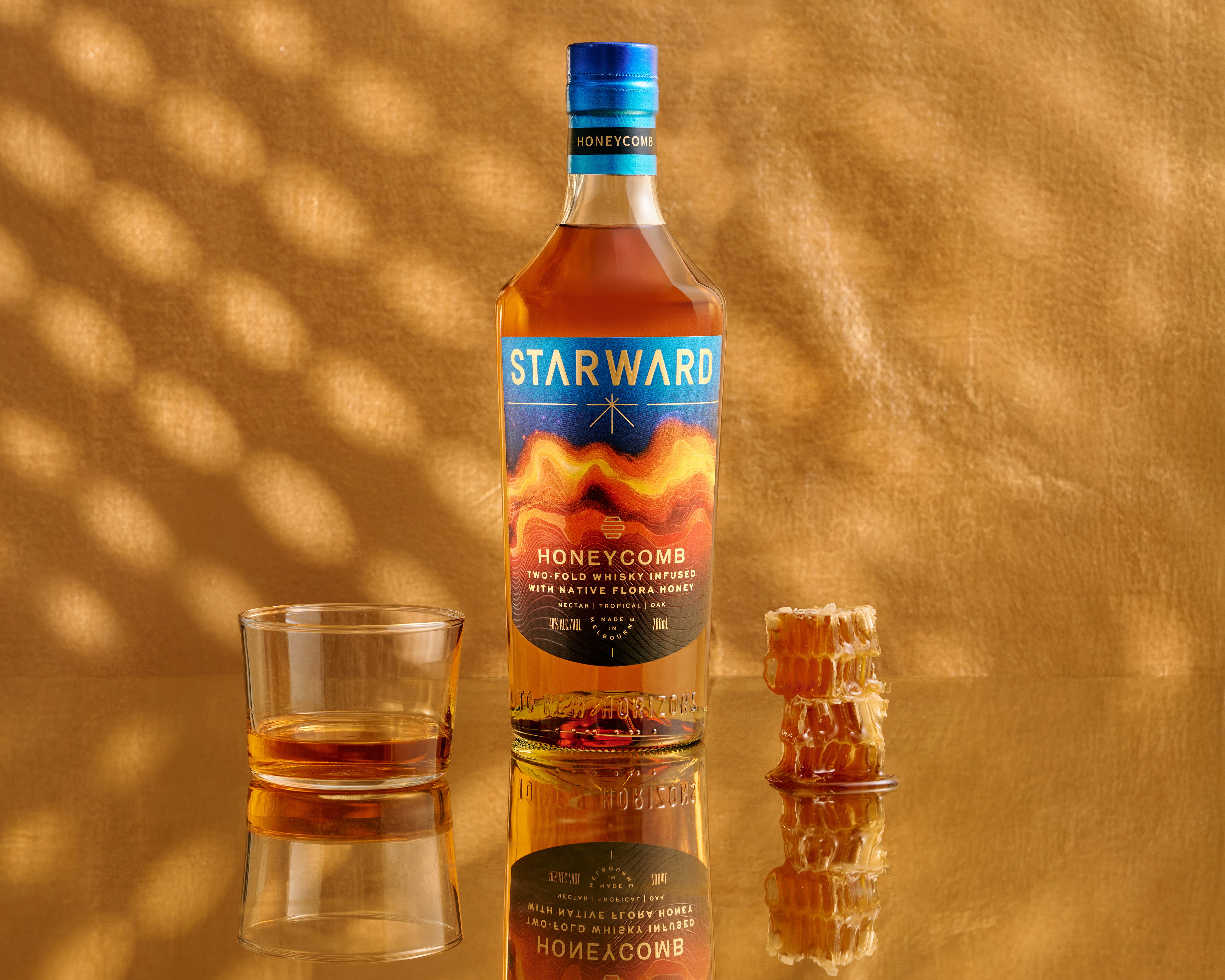
Bourbon is the classic base for an Old Fashioned, and Maker's Mark is soft and sweet enough to suit it. For the sour, an Australian blend such as Starward Two-Fold is a good partner.


What to look for
You do not need to memorise a map, but a few broad styles are worth knowing, because they explain why two bottles can taste nothing alike.
- Bourbon comes from the United States and leans sweet, with caramel and vanilla.
- Scotch ranges from soft and fruity to properly smoky. The smoky ones are usually described as "peated", meaning the malt was dried over burning peat.
- Japanese whisky tends to be light and delicate, and it is a natural fit for a highball.
- Australian whisky is often rich and fruity, helped along by our warm climate and, in some cases, wine barrels.
On the label, "single malt" means it comes from one distillery and is made from malted barley, while "blended" means different whiskies have been mixed together, which is not a bad thing and often means smoother. An age statement, such as 12 years, is the age of the youngest whisky in the bottle. The ABV is just the alcohol strength, and most bottles sit around 40 per cent. If you prefer sweet and smooth, start with bourbon, Japanese or Australian bottles and save the smoky ones for later.
Five friendly bottles to start with
One from each style, all easy to like. Prices are for 700 mL bottles.
- Glenfiddich 12 Year Old, a classic single malt Scotch, at $78.95 from Dan Murphy's. A gentle introduction to Scotland, and an easy neat pour.
- Maker's Mark, a Kentucky straight bourbon, at $58.85 from Dan Murphy's. Soft and sweet, and great in an Old Fashioned.
- Suntory Toki, a blended Japanese whisky, at $66.85 from Dan Murphy's. Made for highballs.
- Hellyers Road Aurora Australis, a Tasmanian single malt, at $99 from Hellyers Road. A smooth Australian pour for a big cube of ice.
- Starward Two-Fold, an Australian blend of wheat and single malt whisky, at $78 from Starward. Easygoing, and happy over ice, with soda or in a sour.
A Christmas present idea
Whisky makes an easy gift because it can be as simple or as thoughtful as you like, and it suits anyone who enjoys trying new things. Three ideas that work for most people:
- A tasting set for the curious. Starward's Whisky Gift Pack is three 200 mL bottles for $99, which lets someone try a few Australian styles without committing to a full bottle.
- A bottle plus a glass. Pair a bottle that is friendly, such as Glenfiddich 12 Year Old or Maker's Mark, with a nice tulip-shaped glass and a bar of dark chocolate.
- A highball kit. A bottle of Suntory Toki, a tall glass, a few bottles of good soda water and a lemon or orange, all in one bag. It is a present that gets used all summer.
One last thing, and it is the sensible one: enjoy whisky in moderation, make sure there are water and snacks around, and never drive after drinking.
At a glance
- Easiest way in: a highball, with about one part whisky to three parts soda over lots of ice
- Quick upgrade: a few drops of water in a neat pour
- Chilling tip: one large ice cube melts slowly, and very cold drinks mute flavour
- Starter bottles (700 mL): Glenfiddich 12 Year Old $78.95, Maker's Mark $58.85, Suntory Toki $66.85, Hellyers Road Aurora Australis $99, Starward Two-Fold $78
- Gift ideas: Starward Whisky Gift Pack (3 x 200 mL) $99, or any bottle above with a tulip glass
Verdict: Start with a highball, graduate to a few drops of water in a neat pour, and treat everything else as a bonus. Whisky is only as serious as you make it.