Inside "Model Drop Week": Why AI Labs Are Racing Each Other in Public
Anthropic and OpenAI shipped major model updates 90 minutes apart. That's not a coincidence, it's a strategy, and it says something about where AI is headed.
When AI leaders started talking about "pacing the frontier," the obvious follow-up question was: what pace, exactly? This year's answer arrived in a single week, when Anthropic and OpenAI both shipped major model updates within 90 minutes of each other.
The Week Everyone Noticed
Anthropic rolled out an updated Claude model, followed almost immediately by OpenAI's own update. Neither company needed to say the timing was intentional. The pattern has become impossible to miss: major labs are no longer just competing on capability, they're competing on the calendar.
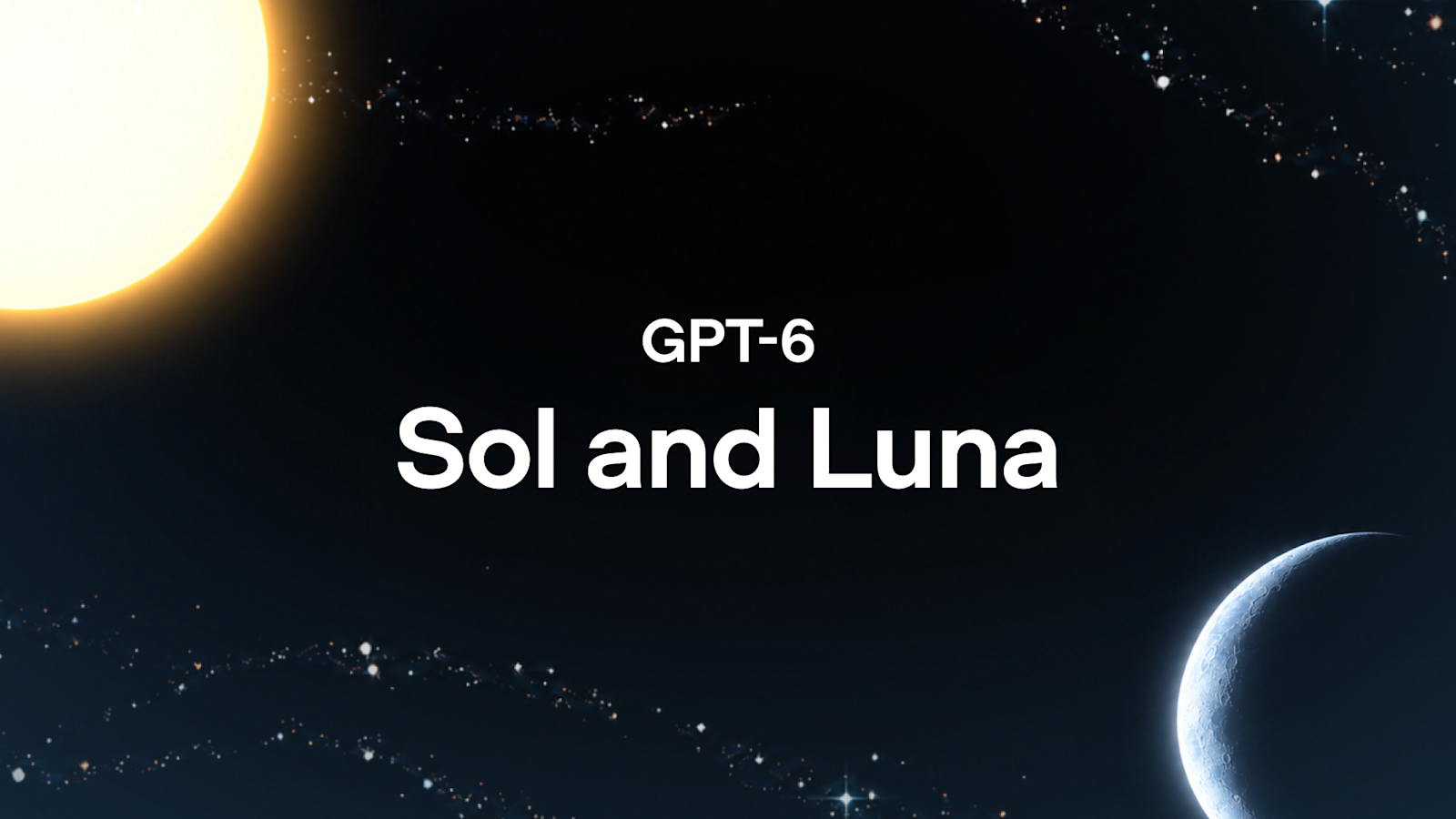
The specifics: on 22 September, Anthropic released Claude Opus 5.5, its first major model since chief executive Dario Amodei had publicly called for the industry to slow down. Minutes later, OpenAI countered not with one model but two, GPT-6 Sol and GPT-6 Luna, positioned as faster, cheaper alternatives to its flagship GPT-6 Astra.
Why the Timing Matters More Than the Specs
Spec sheets used to be the story. Now the release cadence itself is the story, because it signals how each lab wants to be perceived: as the one setting the pace, not chasing it. For anyone actually using these tools day to day, the practical upshot is that the gap between "state of the art" and "everyone has access to it" keeps shrinking.
Spec callout: Sub-two-hour gap between competing major model releases.
Pricing became as much a part of the story as capability. OpenAI cut rates by roughly half compared with its previous generation, with GPT-6 Sol priced at US$2 per million input tokens and US$10 per million output tokens, and the smaller GPT-6 Luna priced at just US$0.10 and US$0.50 respectively. On benchmark results circulating at launch, Sol scored 33.2 percent on AutomationBench versus Opus 5's 26.9 percent, at a fraction of the per-task cost, a comparison OpenAI was quick to publicise.
What It Means Going Forward
This isn't a one-off. The frontier labs have effectively entered a release cycle that behaves more like a sprint than a research programme, and that has real implications for anyone building on top of these tools professionally: the ground shifts faster than most workflows can adapt to.
It also means cost, not just raw capability, is becoming a genuine competitive battleground. When two labs can ship comparable frontier performance within minutes of each other, the tie-breaker for developers increasingly comes down to what it costs to run at scale, not just what it can do in a demo.
There's also a strategic subtext worth noting. Amodei had spent months publicly urging the industry to slow down and think harder about safety before racing ahead, which made the timing of Anthropic's own Opus 5.5 launch, and OpenAI's immediate response, read as proof that no single lab can afford to sit out a release cycle for long, whatever its public position on pacing.