Six AI Wearables Worth Watching
Glasses, a ring, a pin and a bracelet that see, hear and remember so you reach for your phone less. Six AI wearables worth watching.
I love tech. I am the person who wants the new gadget the week it is announced. So it surprises me how uneasy I feel about this latest wave of AI wearables. The pitch is devices that see, hear and understand what is around me so I pull my phone out less. Parts of that sound great. Parts of it make me want to stay home.
Below are six devices, one idea: something small you wear that is meant to make life easier so so your phone can stay in your pocket. These are the ones I am watching. For the wider picture, start with our look at AI devices trying to kill the smartphone.
1. Ray-Ban Meta Gen 3
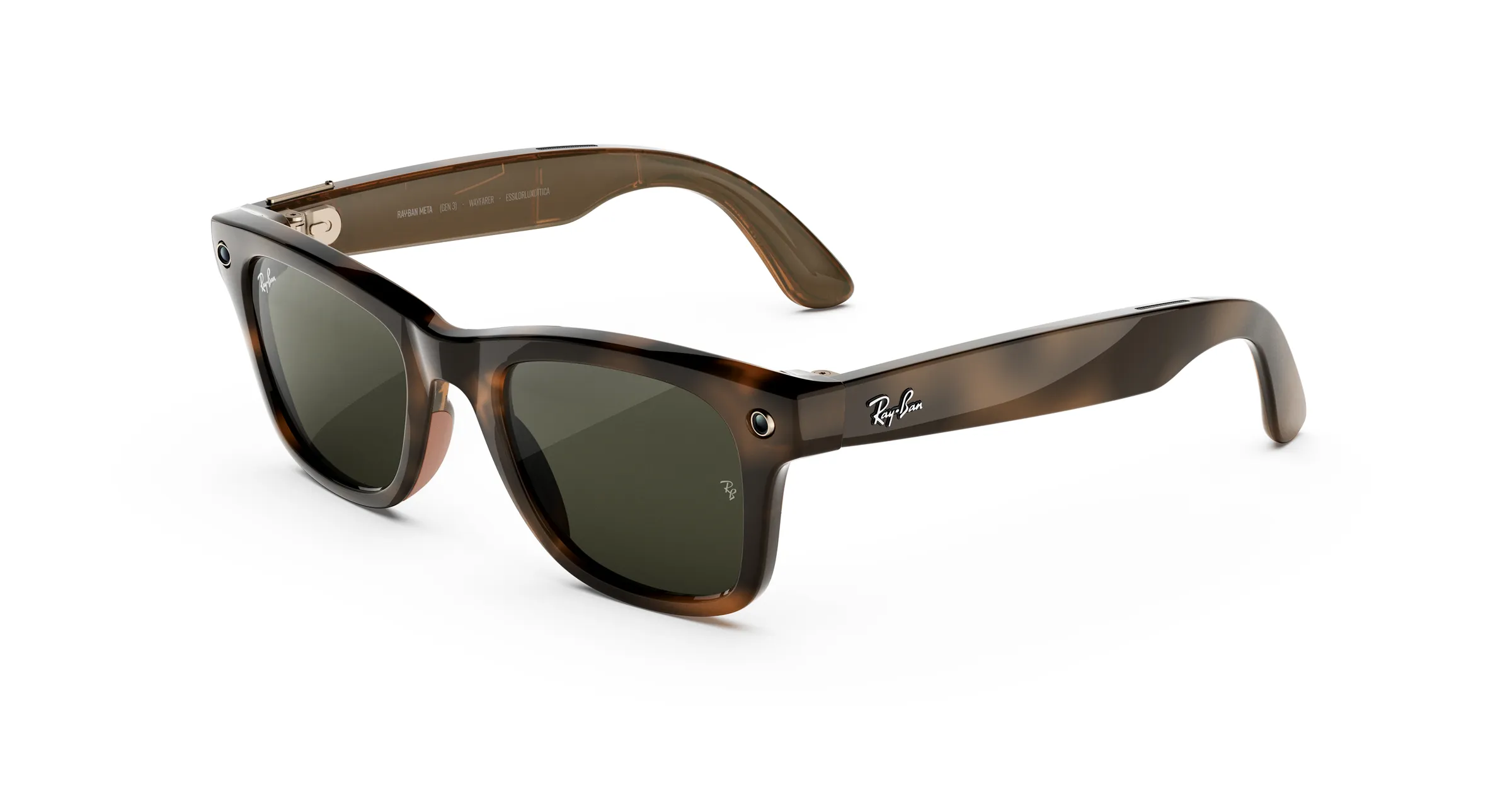
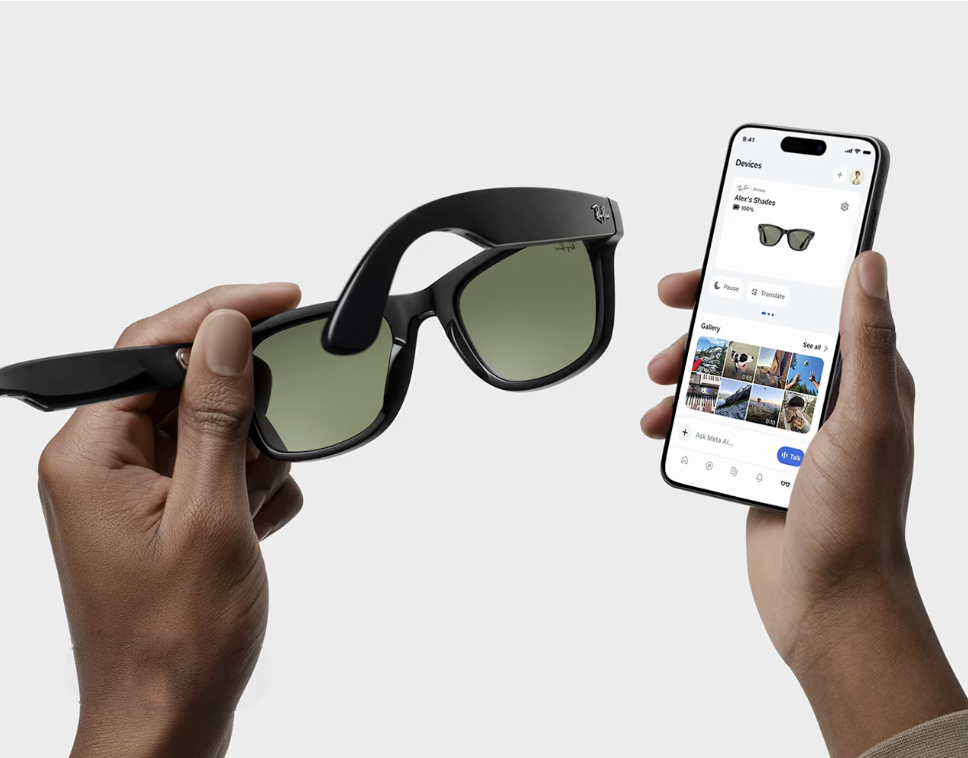
This is the one most people will walk into a shop and understand straight away. The Ray-Ban Meta Gen 3 is a pair of Wayfarers with a 12MP camera, 3K video and Meta AI built into the frame, so you can capture what you are looking at and ask a question without touching your phone. Meta lists up to 9 hours of battery. It is on sale now from AU$679 through the Meta Store, and if you would rather skip the camera, our piece on Ray-Ban Meta Audio covers the camera-free pair.
2. Gemini glasses from Samsung, Warby Parker and Gentle Monster
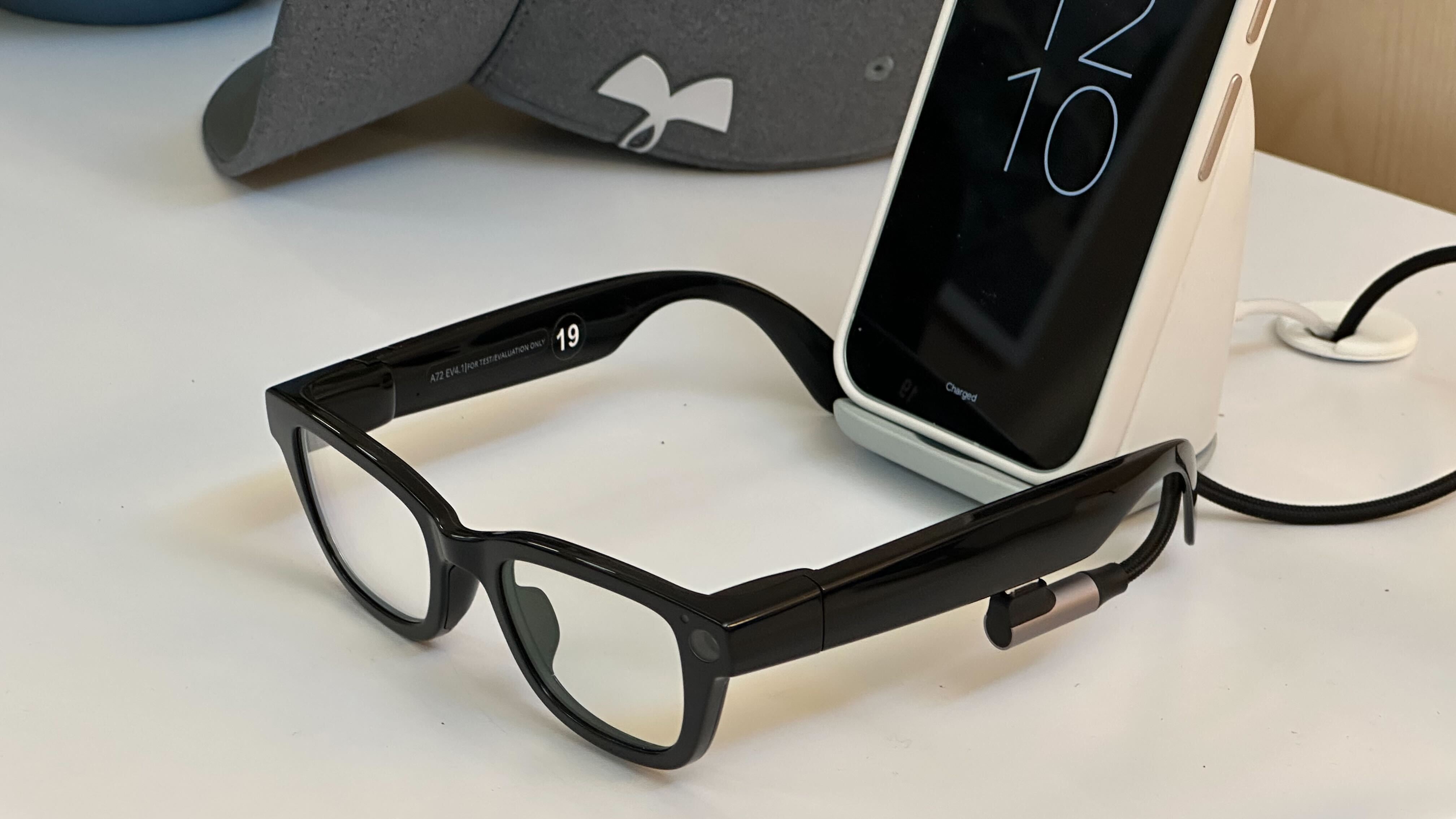
Google and Samsung have teamed up with Warby Parker and Gentle Monster on Gemini-powered glasses, and the eyewear partners matter: these are meant to look like glasses people already want to wear. This first wave has no display. A built-in camera lets Gemini see what you are looking at and answer through the speakers, with features such as summarising your messages and photographing a whiteboard straight into your notes. Battery is reported at up to nine hours, with extra charges from the case, and a recording light shows when the camera is capturing. They are announced for an overseas release later this year, with no Australian price or date yet. Displays on the lens, for things like translation and directions, come later.
3. Amazon Bee
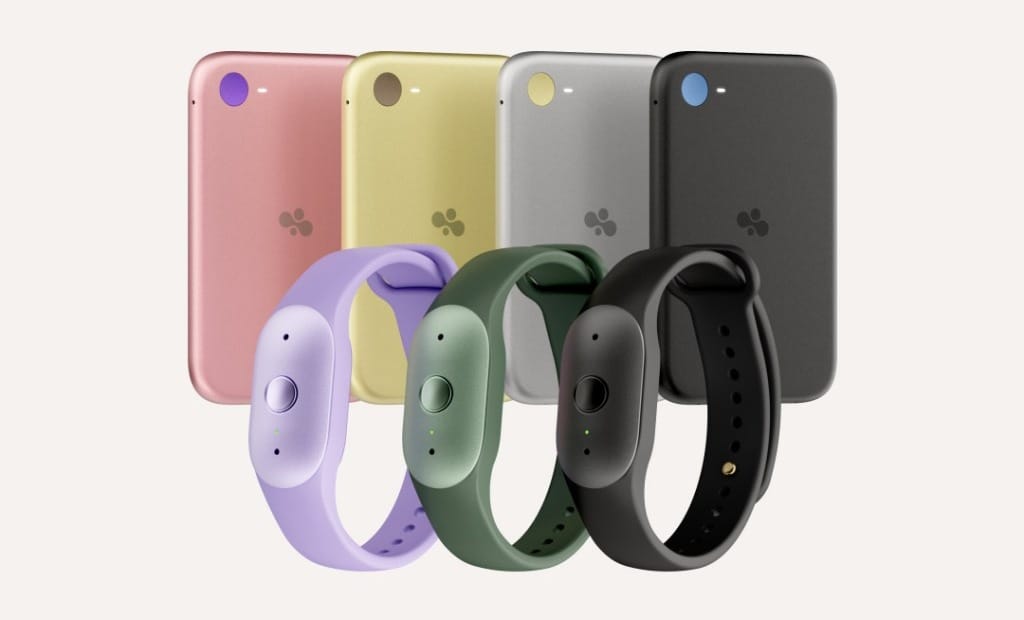
Bee is Amazon's answer to everything said in a day that you immediately forget. It listens to your conversations and turns them into summaries and to-dos. The Bee Frontier wears on the wrist or clips to clothing (US$74.99, about A$111) with up to seven days of battery and IP67 water resistance, while the Bee Eclipse is a card-sized unit that sticks magnetically to the back of your phone (US$99.99, about A$148). The free tier gives summaries with 14 days of memory, and Bee Pro adds integrations with Alexa+ and other apps for US$11.99 a month (about A$18). Amazon says audio is processed in real time and then deleted, transcripts are encrypted and you can delete them any time, and a light shows when it is summarising. It launched in the US in October. Amazon is also bringing Alexa+ here, which we covered in Alexa+ is now in Australia.
4. Plaud NotePin S
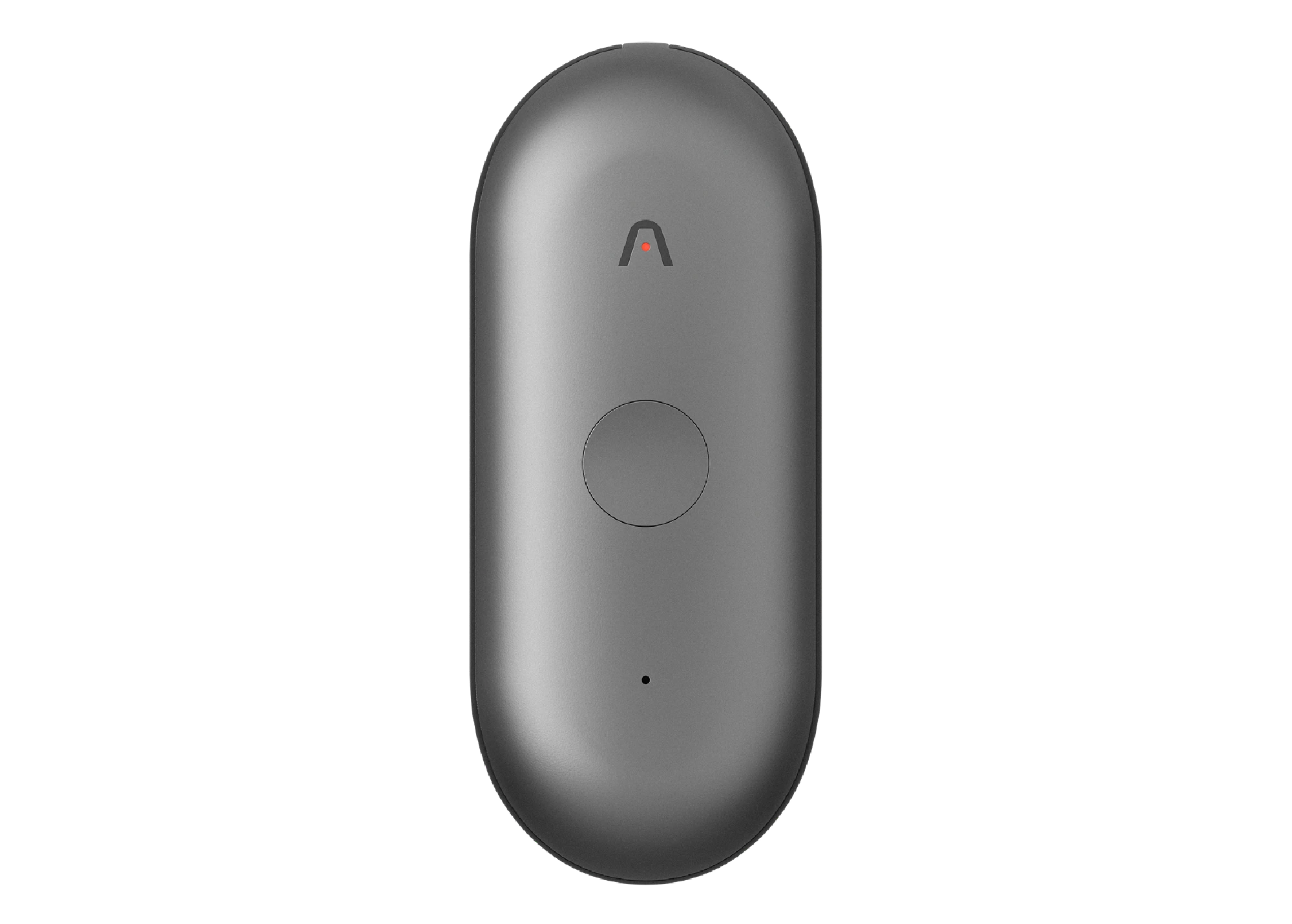
The most established of the six. The Plaud NotePin S is a small recorder you wear as a necklace, on a wristband, clipped to your clothes or pinned on, and it turns what it hears into transcripts and summaries. It transcribes in 112 languages with speaker labels, records for about 20 hours straight with around 40 days on standby, and holds 64GB. You get 300 free transcription minutes a month. It is A$299 including the lanyard, wristband, magnetic pin and clip, and it is sold in Australia now through Plaud's local store.
5. Sandbar Stream ring

You press and hold the touch sensor on the Stream ring and speak, and your note is captured and transcribed without a screen. Haptic feedback confirms the recording, and you can also talk to a chatbot that, by default, answers in a voice resembling yours. It only listens while you hold the sensor, and Sandbar says data is encrypted and can be deleted at any time. The ring is made for the index finger in sizes 5 to 13 and launches on iOS first, with Stream Pro at US$10 a month (about A$15) and three months included for new buyers. Shipping was reported to start in the US around June 2026, with other countries to follow.
6. Camera AirPods (reported)
Mark Gurman of Bloomberg reported in June 2026 that Apple plans AirPods with small cameras for late 2027, built around Siri. The cameras are not for photos or video. They would give Siri visual context, so you could ask about an object or your surroundings, in a design similar to AirPods Pro with status lights that glow when data is sent to the cloud. Apple has not announced them, and its AI glasses are reportedly due at the end of 2028. If you want to see where Apple's smart home plans are heading in the meantime, see our Apple HomePad explainer.
At a glance
- Ray-Ban Meta Gen 3: camera glasses, available now, from AU$679 on the Meta Store.
- Gemini glasses (Samsung, Warby Parker, Gentle Monster): audio and camera glasses with no display, announced, Australian pricing and date not confirmed.
- Amazon Bee: a bracelet or clip-on note taker, launched in the US, Australian availability not confirmed.
- Plaud NotePin S: a wearable recorder, available now, A$299.
- Sandbar Stream ring: a voice ring, emerging, Australian availability not confirmed.
- Camera AirPods: reported only, not released.
What could these actually do on a day out?
Picture a Saturday. Standing outside a restaurant, you ask your glasses about the place without taking out your phone. Over an international call, a college or customer speaks another language and live translation helps you keep up. A plant catches your eye and you ask what it is. On the walk home an idea for work arrives, so you say it into a ring or pin and it is saved. That night, a summary of the day is waiting. Parts of that exist today, an in most situations capable of being done on on your phone, but the concept here is that its a seamless experience.
My view
I think AI glasses will end up bigger than smartwatches. A smartwatch can only do a fraction of what smart glasses are promising. It has no camera, so it cannot see what I see, and it has no audio that only I can hear, so every answer is either on a tiny screen or out loud for the whole room. Glasses can see what I am looking at and talk quietly into my ear.
The catch is that they ask people to wear glasses, something many of those who actually need them have spent years trying to avoid. That is why the frames matter as much as the tech, and why Ray-Ban, Warby Parker and Gentle Monster are the names on these. The recorders, rings and pins are useful, but I think glasses are where most people will land, provided they look like something people want to wear and the privacy side keeps up.
Where I land on privacy
Here is my honest hang-up. I love tech, but I am still not sure how I feel about a device watching everything I do, or listening all day just in case I need it. The iPhone Live Listen story doing the rounds right now is a good example. Posts claim that the latest iPhone update has your phone listening in on everything around you. It is mostly a misread: Live Listen is an accessibility feature that streams your phone's microphone to compatible AirPods, hearing aids or Beats, and that a setting called Remote Control only lets your own Apple Watch or another device on your Apple Account start and stop a session. It does not show Apple, or anyone else being able to switching it on.
Even so, the fact that it spread so fast tells me how uneasy we all are about a microphone that could be doing something we did not ask for. These wearables take that idea much further, with cameras and all-day recording.
If you want to check your own iPhone, open Settings, go to Accessibility, then Audio & Video, then Live Listen. You can see the Remote Control and Live Captions settings there and switch off Remote Control if you do not want other devices controlling a session. Menu names shift a little between iOS versions, so if you cannot find it, search Settings for Live Listen.
For any wearable, I look for a visible recording indicator, as Meta, Samsung and Bee all describe. I also make it a habit of telling people when I am recording and be ready to turn it off, because consent matters and laws on recording conversations differ across Australian states. I also check what and where each brand stores the data, for how long, and whether I can delete it.