Why Everyone's Buying a Film Camera Again
A generation raised on unlimited digital photos is buying disposable film cameras instead. It's not nostalgia, it's a reaction to it.
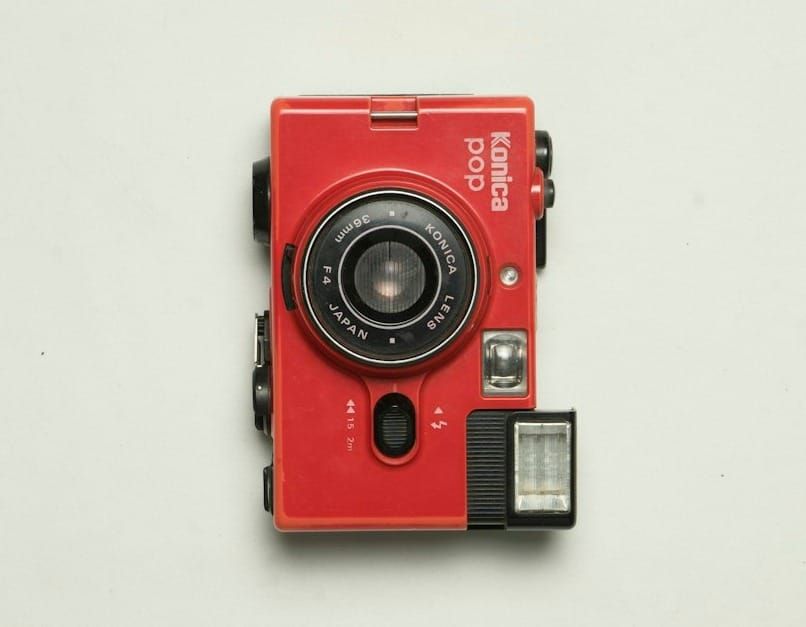
Somewhere in the last few years, a generation that grew up with a high-resolution camera in every pocket decided the thing worth buying was a plastic box from 1998 that takes 27 blurry photos and then has to sit in a drawer for two weeks before you find out if any of them worked. It shouldn't make sense. It's one of the few genuinely organic trends left, and it's not actually about the camera at all.
It's Not Nostalgia If You Weren't There
The people driving this aren't replaying their own childhoods; most of them were born after disposable cameras had already gone out of fashion the first time. What they're buying into is the opposite of what their phone offers: a fixed number of frames, no preview screen, no retakes, and a result that looks like a photo rather than a processed image of one. A phone camera is built to show you a flattering version of right now. A film camera just shows you what was actually there, which has become the more interesting photo to take.

The Friction Is the Point
Everything about shooting film is inconvenient by modern standards, and that inconvenience is exactly why it's spread the way it has. Winding the film, counting down the 27 or 36 exposures, dropping the roll at a chemist or posting it to a lab, waiting days to see the results: none of it is efficient, and all of it makes the eventual photos feel like they actually happened rather than being one of four hundred identical shots deleted down to the best one. It's slow photography in a feed built entirely around speed, which is precisely what makes it feel different to look at.

What It Actually Costs Now
The economics have split in two. A Kodak FunSaver still costs about US$20 (approx. AU$29), basically unchanged in real terms from a decade ago. But reusable point-and-shoots have gone the other way entirely: a Pentax Espio 115, a camera nobody wanted in 2015, now sells for US$153 (approx. AU$220) through specialist dealers, and a cult favourite like the Olympus mju-II regularly clears AU$650-750 secondhand. Disposable cameras are the one part of this trend that's still genuinely affordable; everything with a lens you can reuse has already been repriced by demand.

Where To Actually Start
- A disposable Kodak or Fujifilm single-use camera, for the cheapest possible way to try it before committing
- A secondhand point-and-shoot bought from a specialist dealer rather than a blind auction listing, so it's actually been tested
- Getting film developed with scans included, so the photos actually make it back onto a phone to be shared
It's not replacing digital photography for anyone, and it was never going to. But as a reaction to a decade of infinite, disposable, instantly-editable photos, a camera that only gives you one real shot at each moment has turned out to be exactly what a generation of photographers who grew up with unlimited shots actually wanted, even as the secondhand market works out just how much that moment is now worth.