Why Everyone's Saying "2026 Is The New 2016"
Flower crown filters, Dubsmash and Chainsmokers songs are back. Here's why "2026 is the new 2016" took over everyone's feed, and why it won't stop soon.
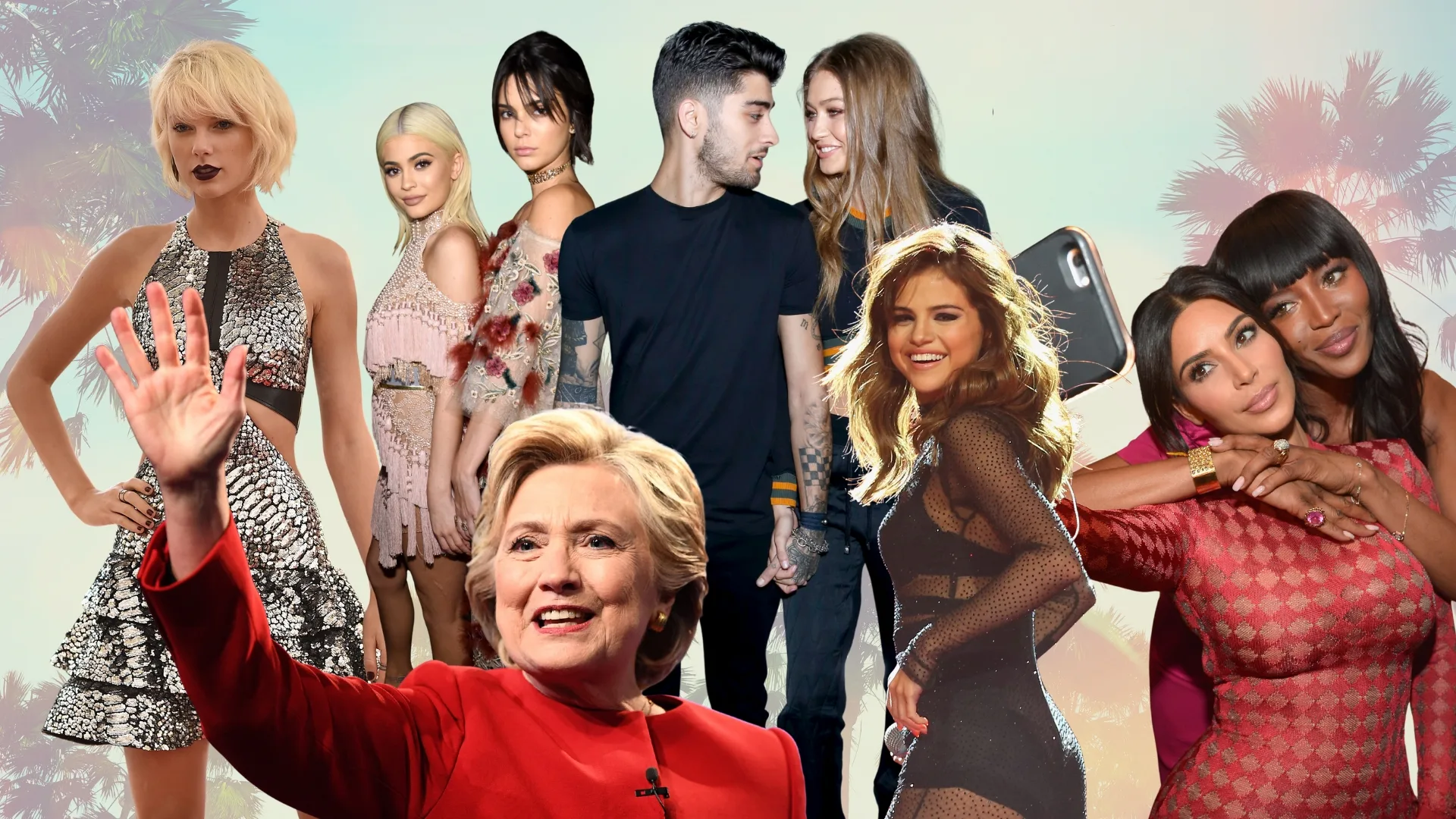
"2026 is the new 2016" has been everywhere since the first week of January, and if you still haven't worked out why your feed is suddenly full of flower crown filters and decade-old Chainsmokers songs, here's the short version: the internet has decided ten years is exactly the right distance to romanticise, and 2016 is this cycle's chosen year.
Where it actually started
The phrase traces back to a viral TikTok montage posted on 31 December 2025, with another user proposing 1 January 2026 as a kind of collective "reset day" back to the aesthetics of a decade earlier. It picked up fast precisely because 2016 has a very specific, very recognisable visual signature: Snapchat's puppy-dog and flower-crown filters, oversaturated low-resolution selfies, Dubsmash lip-syncs, and viral stunts like the Bottle Flip Challenge and the Mannequin Challenge. The hashtag #BringBack2016 has become the trend's shorthand, and people are recreating that look with, as more than one writeup has put it, near-perfect fidelity.
The soundtrack matters as much as the visuals. Drake, The Weeknd, Justin Bieber and The Chainsmokers are back in heavy rotation, Vine references keep surfacing even though the app itself has been dead for years, and 2016's biggest pop-culture touchstones, Stranger Things, Captain America: Civil War, Zootopia, Deadpool and Pokémon Go, are all getting the same treatment.
Celebrities are playing along, not just fans
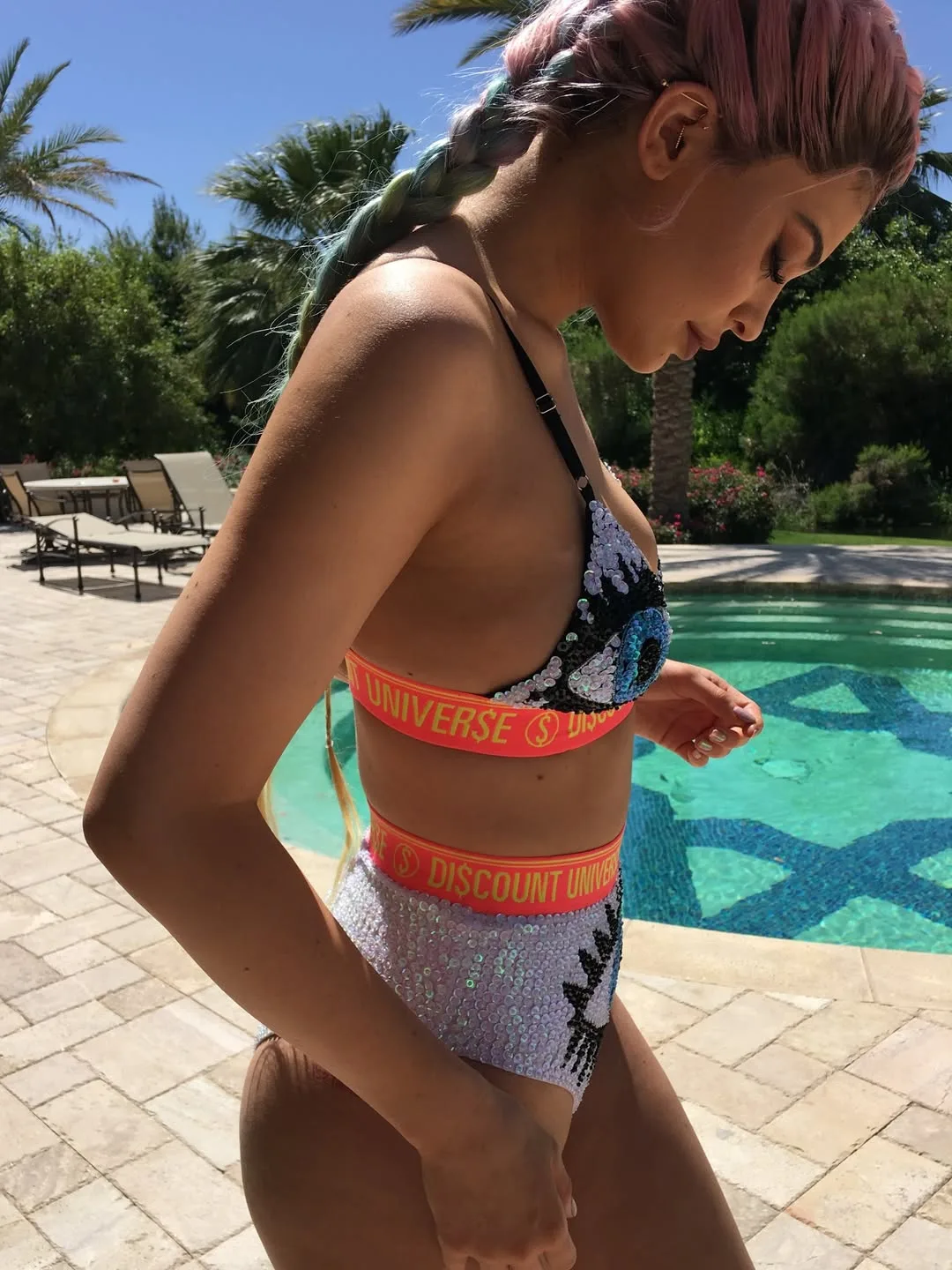
What's pushed this past a niche TikTok bit and into genuine mainstream coverage is how many celebrities have joined in rather than just watching it happen. Kylie Jenner has posted directly into the trend, and outlets have tracked a steady stream of stars pulling out 2016-era photos and captions of their own. When the people whose 2016 era is being referenced start actively re-performing it, the nostalgia stops being purely bottom-up and starts feeding itself.
Why 2016, specifically
Generation Z, who were in primary or early high school at the time, remember 2016 as the last stretch of a pre-pandemic, pre-generative-AI internet that "still felt human." The actual politics and events of that year rarely feature in any of this, people are nostalgic for the aesthetic and the platforms, not the headlines. Commentators have pointed to two forces doing most of the work: a straightforward desire to escape algorithmically optimised, heavily monetised feeds, and a specific fatigue with AI-generated content flooding every platform at once. Imperfect, unplanned, slightly ugly 2016-era photography reads as a relief next to a feed full of polished synthetic images, which is also why the trend has stuck around for the better part of a year rather than burning out in a week like most TikTok formats.
There's also the simple mechanics of nostalgia cycles. Ten years is roughly the gap at which a decade starts to feel distant enough to be romantic rather than just recent, and enough time has passed that people can remember 2016's lighter cultural moments while the heavier ones have quietly faded out of the retelling.
At a glance, the trend's reference points:
- Started: viral TikTok montage, 31 December 2025, hashtag #BringBack2016
- Visual markers: Snapchat flower-crown and puppy filters, oversaturated low-res selfies, Dubsmash
- Viral throwbacks: the Bottle Flip Challenge, the Mannequin Challenge, Vine references
- Music: Drake, The Weeknd, Justin Bieber, The Chainsmokers
- Pop culture: Stranger Things, Captain America: Civil War, Zootopia, Deadpool, Pokémon Go
Verdict: this one has legs because it's not really about 2016 at all, it's a reaction to how saturated and synthetic feeds feel right now. Expect the specific references to keep rotating, but the underlying "things were simpler a decade ago" format to stick around well past this particular year.