Canon EOS R8 Mark II Adds the Stabilisation the Original Was Missing
Canon's compact full-frame camera gains in-body stabilisation, a pre-shot burst mode and a sharper new look. It lands in Australia from $2,529.
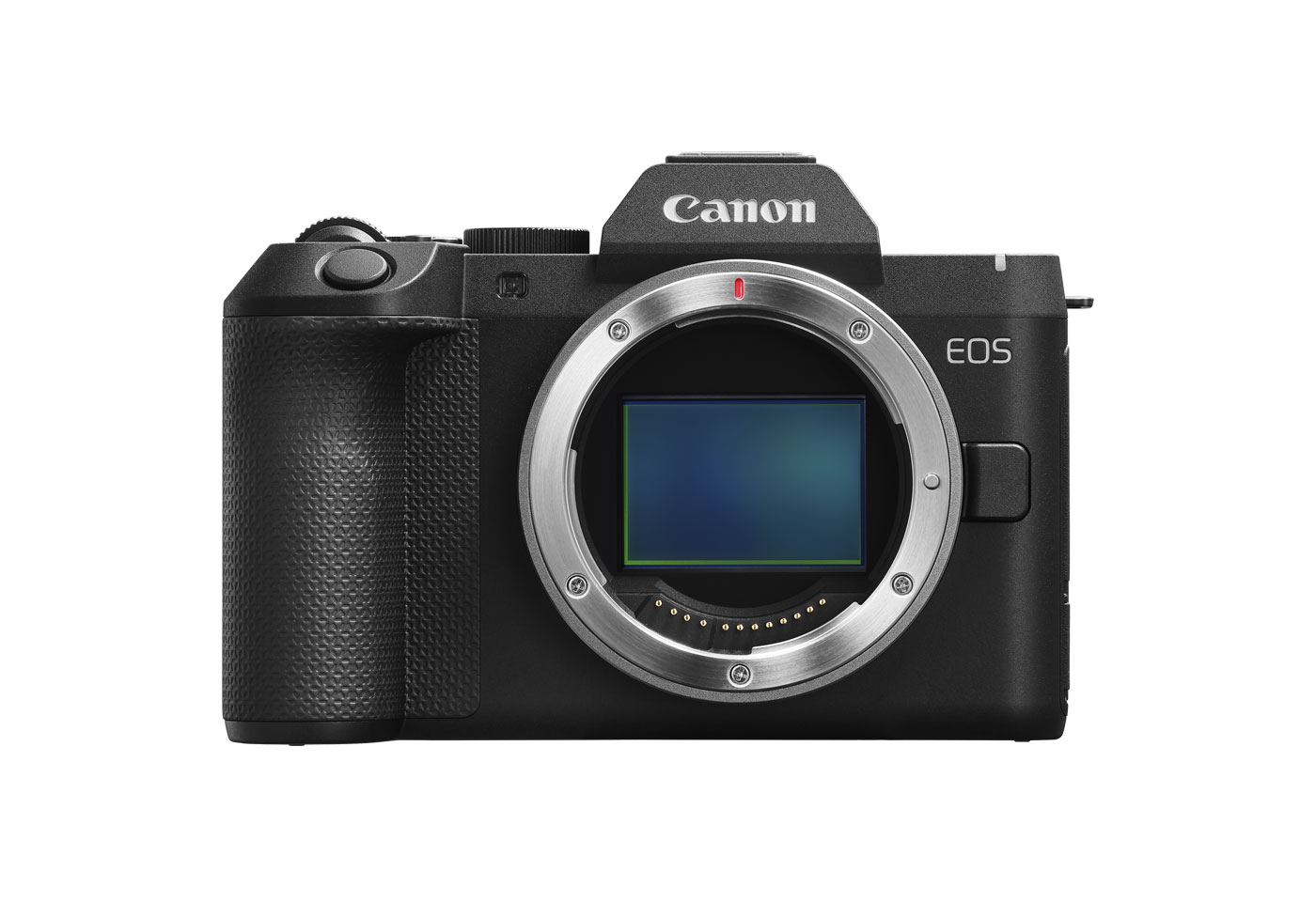
When Canon launched the original EOS R8 in 2023, it was a compelling way into full-frame photography, with one glaring omission: no in-body image stabilisation. Three years on, the EOS R8 Mark II fixes that, and adds a handful of features borrowed from Canon's more expensive bodies along the way.
Stabilisation, finally
The headline change is 5-axis in-body image stabilisation, rated at up to 7.5 stops at the centre of the frame. For a camera aimed at travel and everyday shooting, it is the upgrade that matters most. It means sharper handheld shots in dim laneways and at dusk without cranking the ISO, steadier handheld video, and far less reason to pack a tripod.
The trade-off is a little extra weight. The Mark II comes in at 546g with battery and card, up from 461g on the original, though Canon says it is still the lightest full-frame EOS body to include IBIS.
Faster when it counts
The camera keeps the proven 24.2MP full-frame sensor and DIGIC X processor from the first R8, but adds some useful shooting tools. It can fire at up to 40 frames per second with the electronic shutter, and a new pre-continuous mode captures up to 20 frames before you fully press the shutter button, so a jump, a splash or a fleeting expression is less likely to get away.
Autofocus is Canon's Dual Pixel CMOS AF II, with detection for people, animals and vehicles. A new Register People Priority function lets you save the faces of family or friends so the camera prioritises them in a crowd, which is handy at a busy landmark or a kids' sports day.
A proper video upgrade
Video gets more attention this time. The Mark II records uncropped, oversampled 4K at up to 60p using Canon's XF-HEVC S and XF-AVC S formats, which are better suited to editing than the original's MP4 files. You can shoot in Canon Log 3 and apply Look Files (LUTs) in camera, either to preview a grade or bake it into the footage. A new Slow and Fast motion mode handles speed ramps without editing software, and two new Filmtone creative filters join the menu with adjustable intensity.
What hasn't changed
Some compromises remain. The camera still uses the small LP-E17 battery, there is a single SD UHS-II card slot, and the design has moved to sharper, more angular lines that will divide opinion. Wi-Fi 6 and wired or wireless live streaming are included.
Accessories
Canon has also launched the EG-E2 Extension Grip, which adds a taller handhold for bigger lenses without blocking the battery door or tripod mount, and an updated Speedlite EL-5 Ver.2 flash with wireless range extended from 30 to 50 metres.
Price and availability in Australia
- EOS R8 Mark II body: $2,529 RRP
- Kit with RF 24-50mm f/4.5-6.3 IS STM: $2,859 RRP
- EG-E2 Extension Grip: $169 RRP
- Speedlite EL-5 Ver.2: $639 RRP
- Availability: pre-orders open now through Canon authorised retailers, expected to ship from late October
At $330 more than the original R8's current RRP and well below the EOS R6 Mark II, the Mark II slots neatly into Canon's range as the sensible step up for anyone moving from an APS-C camera or a phone to full frame.
Source: Canon Australia. Image courtesy of Canon.